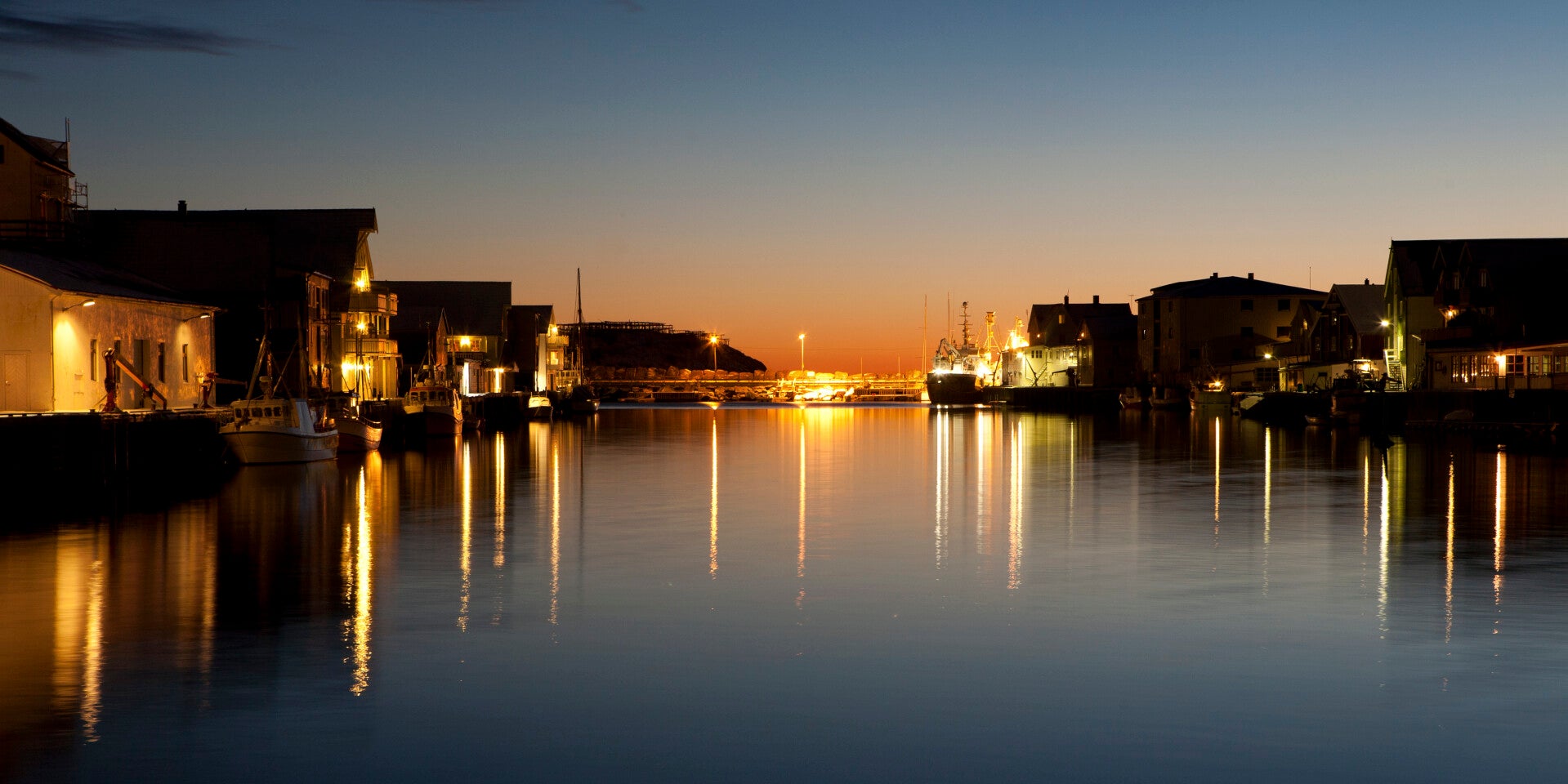
Photo: Johnny Mazzilli / www.nordnorge.com
I often cross the twin archipelagos of Vesterålen and Lofoten in search of hidden corners to explore and tell stories about. Whenever I can, I leave the road to Melbu, board the ferry across Hadselfjorden to Fiskebøl, and watch the uneven peaks of the Lofoten Wall plunge into a sea that can be wildly angry or, on calm days, seem frozen, as if nothing here had changed for thousands of years.
One of the places I like to stop, especially during the quieter seasons, when there are fewer tourists, is the fishing village of Henningsvær. Driving through its streets and over its bridges, surrounded by the dreamlike Lofoten's landscapes, is rewarding. My eyes are always searching for art, stories, and people who have been inspired by this remote edge of the world.
As an Italian, I’ve always been immersed in human-made art. Back home, every corner, every square, every church or historic building offers a chance to feel the creativity and history of mankind. Here, in contrast, the divine and natural creations dominate. Mountains, fjords, sky, and sea feel like the true heartbeat of the world. So when I travel through these remote places, my eyes seek out traces of human artistic activity even more carefully. And Henningsvær, surprisingly, fully satisfies this Italian instinct. Here, art breathes in daily life, merges with the lives of fishermen, and dialogues with the surrounding landscape.
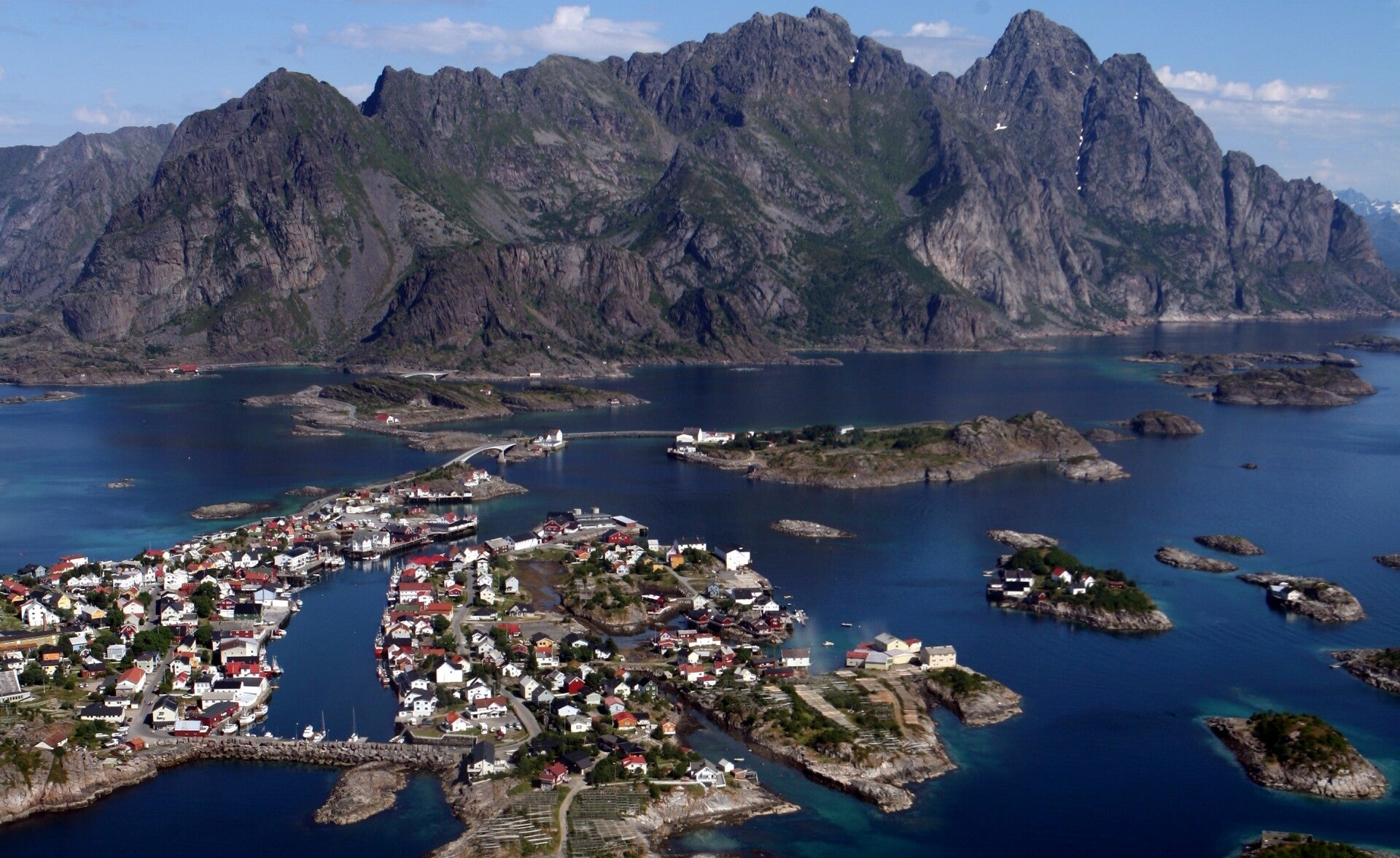
Photo: Eirik Ohna / www.nordnorge.com
Henningsvær is one of the most iconic fishing villages of the Lofoten, and it spreads over several small islands connected by bridges and breakwaters. Its history records show fishermen living here and paying taxes in fish as early as 1567. By the late 19th century, Henningsvær had become one of Norway’s main fishing hubs, especially for cod and stockfish. Its breakwaters and sheltered harbor made it a focal point of the seasonal Lofoten fishery, and by the mid-20th century, the population peaked, supported by thriving canneries and fish processing industries. After a period of decline, the construction of road links in the 1980s opened the village to the world and to visitors, allowing it today to blend fishing, tourism, and cultural life in a uniquely vibrant way.
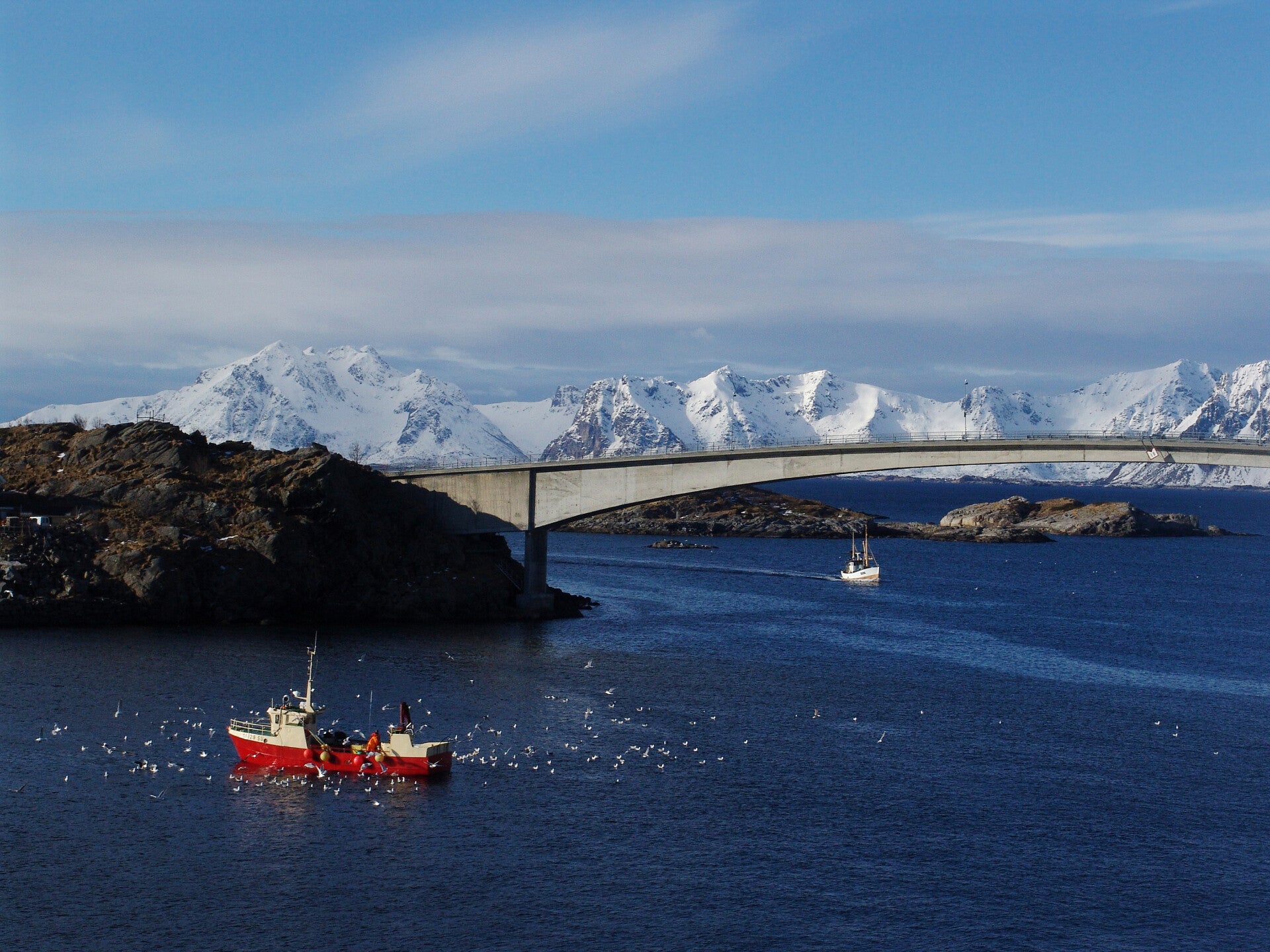
Photo: Johnny Mazzilli / www.nordnorge.com
Lofoten Islands, with their mountains mirrored in the ocean, and polar light that shifts radically with the seasons, have for years attracted a large international tourist arrivals. Travelers, photographers, and nature lovers crowd these lands drawn by the northern lights, timeless fishing villages, and postcard landscapes.
What surprises the more attentive visitor, however, is that behind this seeming simplicity of scenery lies a beating heart of art and culture. In Henningsvær, contemporary art, historic galleries, and urban installations engage with daily life, offering an artistic visibility one would expect only in major urban centers, not in a remote village beyond the Arctic Circle.
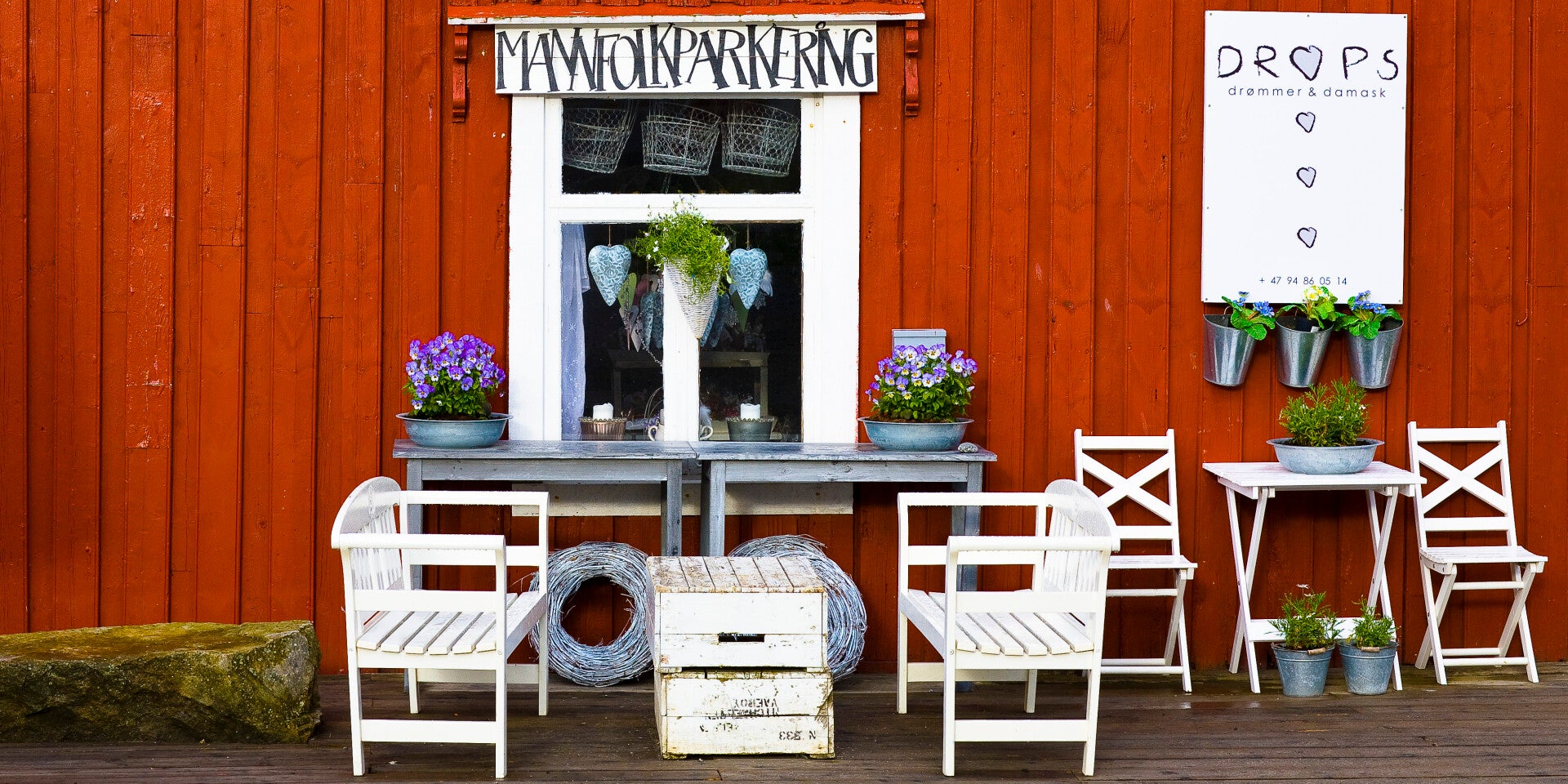
Photo: Espen Mortensen / www.nordnorge.com
Walking through the village, you feel an unexpected coincidence of worlds. On one side, northern tradition and fishing life, while, on the other, works by artists of international renown integrated into the urban fabric and old factories. This remarkable concentration of global art in an extreme setting makes the village unique in the European cultural landscape.

Photo: John Stenersen / www.visitlofoten.com
The beating heart of the village’s artistic life is the KaviarFactory, a former caviar factory transformed into a contemporary art center. Entering it means engaging with a powerful dialogue between space and works. The building retains its austere industrial structure, while the installations and pieces address issues of global scope.
Here, Ai Weiwei has confronted themes of freedom and surveillance, and Marina Abramović has transformed the body into a shared, intense experience. Alongside them, Bjarne Melgaard brings a visceral, provocative poetry, a reminder that even a remote village can become a stage for global reflection. The KaviarFactory is an emotional and conceptual experience where the contemporary meets industrial memory.
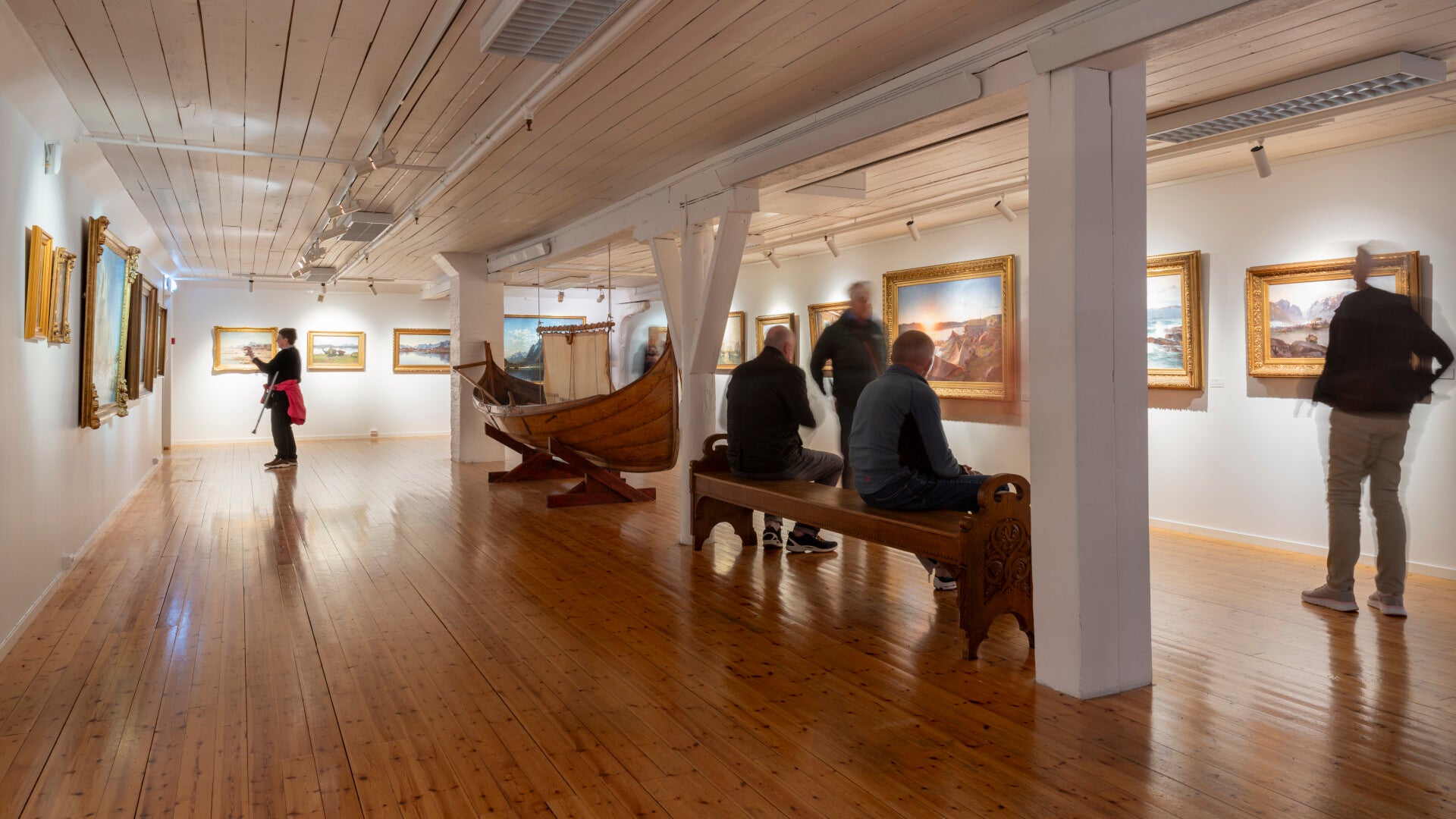
Photo: Kjell Ove Storvik / www.visitlofoten.com
While the KaviarFactory looks to the present and the future, Galleri Lofoten turns to the past and the visual construction of the North. The gallery houses a collection of paintings from the late 19th and early 20th centuries by artists like Gunnar Berg, Otto Sinding, and Eilert Adelsteen Normann, depicting northern landscapes full of pathos and heroic narrative.
Especially evocative are the watercolors of Lars Lerin, introducing an intimate, fragile North. Light and water reflections blend with meditative and melancholic atmospheres, turning naturalistic representation into emotional experience. Galleri Lofoten thus becomes a critical device, capable of telling the history of artistic vision on the North and its transformations.
Beyond the galleries, Henningsvær offers a dimension of widespread art thanks to street art. Artists like Dolk and Pøbel intervene in the urban fabric with works that dialogue with the village and the surrounding landscape. Dolk brings irony and melancholy through evocative stencils, while Pøbel works more discreetly and clandestinely, transforming buildings and walls into places of reflection.

Photo: Marie Nystad Helgesen / www.nordnorge.com
Trevarefabrikken is a notable cultural hub in Henningsvær, with roots going back to its original construction in 1948 as an industrial building that housed a woodworks and cod liver oil factory alongside other functions such as carpentry and canning operations.
For many years the building stood unused after industry in the village declined, but in 2014 a group of friends from Bergen bought the old factory on a whim during a visit to the area. Over subsequent years they and the local community worked to revitalize the structure, transforming it into a lively centre for culture, hospitality and social life.
Today Trevarefabrikken blends the site’s industrial heritage with modern creative use. It includes a restaurant and café, hotel rooms with rustic design, spaces for art and events, regular concerts, festivals like the annual Trevarefest, yoga sessions, and even an ocean-view sauna.

Photo: Marie Nystad Helgesen / www.nordnorge.com
Completing the artistic panorama of Henningsvær is Engelskmannsbrygga, originally built in the 1890s by an English pharmaceutical company to produce medicinal cod liver, an historic wharf now home to artisans working glass, ceramics, and wool. Here, manual gesture becomes artistic language. Every object tells of the territory, time, and community memory.
Henningsvær shows how periphery and cultural center can coincide. Here the North becomes aesthetic and symbolic condition. Art isn’t just to be contemplated but breathes in everyday life, blending with the fishermen's cabins, polar light, and industrial memory. Walking along the harbor, entering galleries, or admiring hidden street art, the visitor senses a village that is workshop, museum, and setting at the same time.
In a world where art concentrates in metropolises, Henningsvær shows that even the far North can become a creative epicenter, offering an unexpected and powerful perspective, a place where tradition and innovation coexist in harmony, and where the journey itself emerges as a visual and sensory experience.