Photo: Mathia Pacenti / © WanderNorway
There is a moment in almost every journey when Norway stops being a destination on a map and becomes something more personal.
Sometimes it happens while standing silently beside a fjord, watching clouds move across the mountains. Sometimes on a train climbing toward the plateau, on a ferry crossing dark blue water, or in a fishing village where the smell of the sea mixes with coffee drifting from a small café. In the North, it might happen beneath the Midnight Sun, when evening seems to have forgotten how to become night, or under the Northern Lights on a frozen winter evening.
My work is to help travelers find their own version of that moment.
I am a Travel Designer in Norway, thanks to Ethical Norway, a Norwegian travel company specializing in tailor-made, responsible journeys and authentic local experiences, where I learned the importance of sustainability, respect for local communities, meaningful connections, and creating journeys that benefit both travelers and the destinations they visit.
I have always felt that the title explains only part of what I do. Yes, there are hotels to select, trains and ferries to connect, activities to arrange, driving routes to study, and countless details to fit together. But behind every itinerary there is something much more human: a person, a couple, a family or a group of friends who have decided to dedicate something precious, their time, to discovering this country.
Most of the travelers I work with live far away from Norway. Many come from the United States, but over the years I have helped people from different corners of the world, each carrying a different idea of what Norway might be.
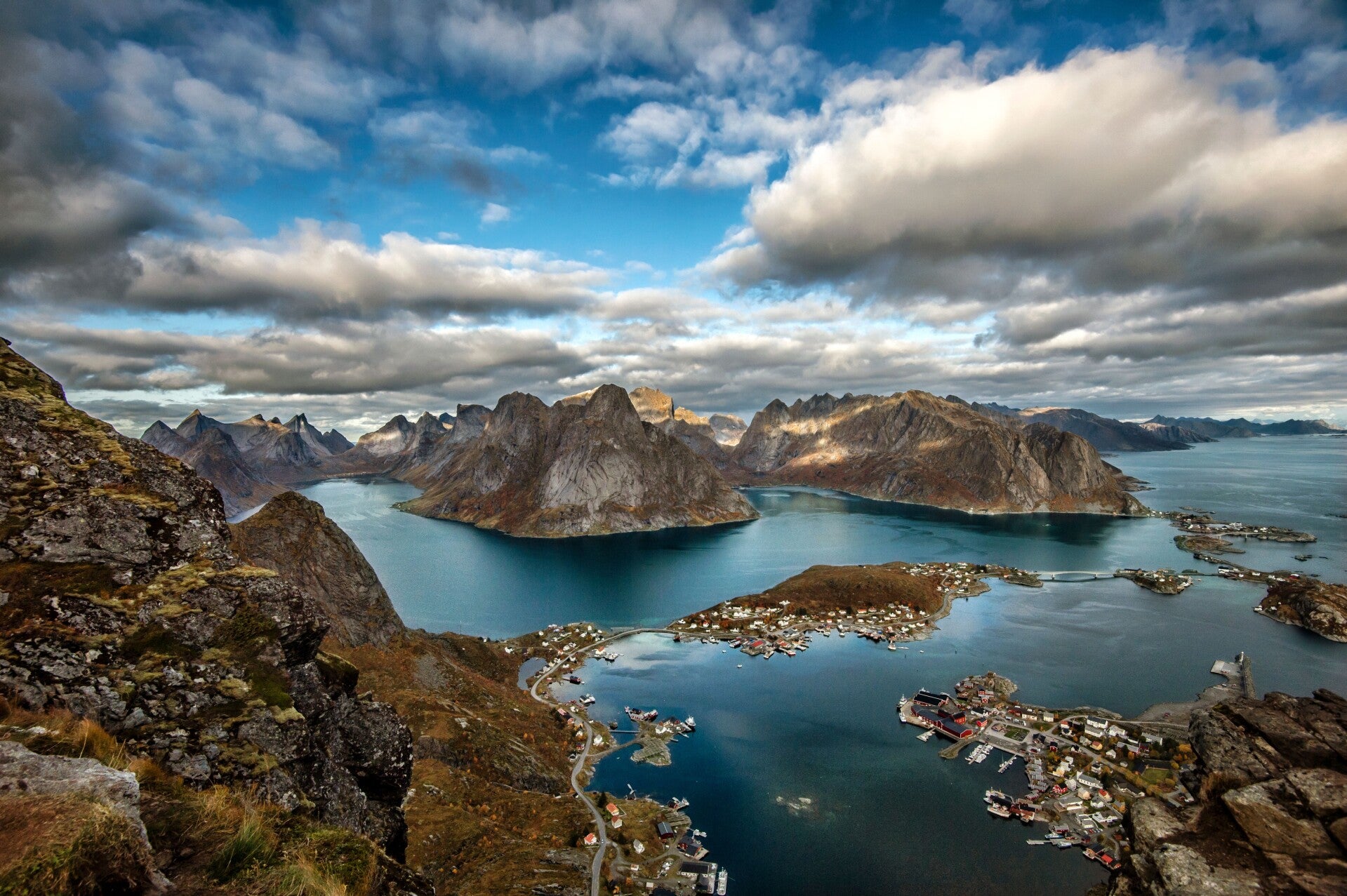
Some dream about fjords. Some want to stand beneath the Northern Lights. Others imagine driving slowly through Lofoten, sailing along the Norwegian coast, riding the Flåm Railway, hiking above a turquoise fjord, sleeping in a remote Arctic lodge or simply sitting by a window watching a landscape they have waited years to see.
My first task is therefore not to build an itinerary. It is to listen.
I want to understand why someone has chosen Norway, how they like to travel, how much they want to see and, equally importantly, how much time they want to leave empty. I ask about interests, pace, comfort, expectations and sometimes even the small things that may seem unimportant at first. Because these small things often become very important once the journey begins.
Over time, travelers have told me that what they appreciated most was not only the places they visited, but the feeling that the journey had been carefully thought through: transportation that made sense, accommodations in the right locations, experiences that felt personal, and somebody available when questions appeared. Some have described their journeys simply as smooth or stress-free, two words that make me particularly happy because behind them I know how much invisible work has taken place.
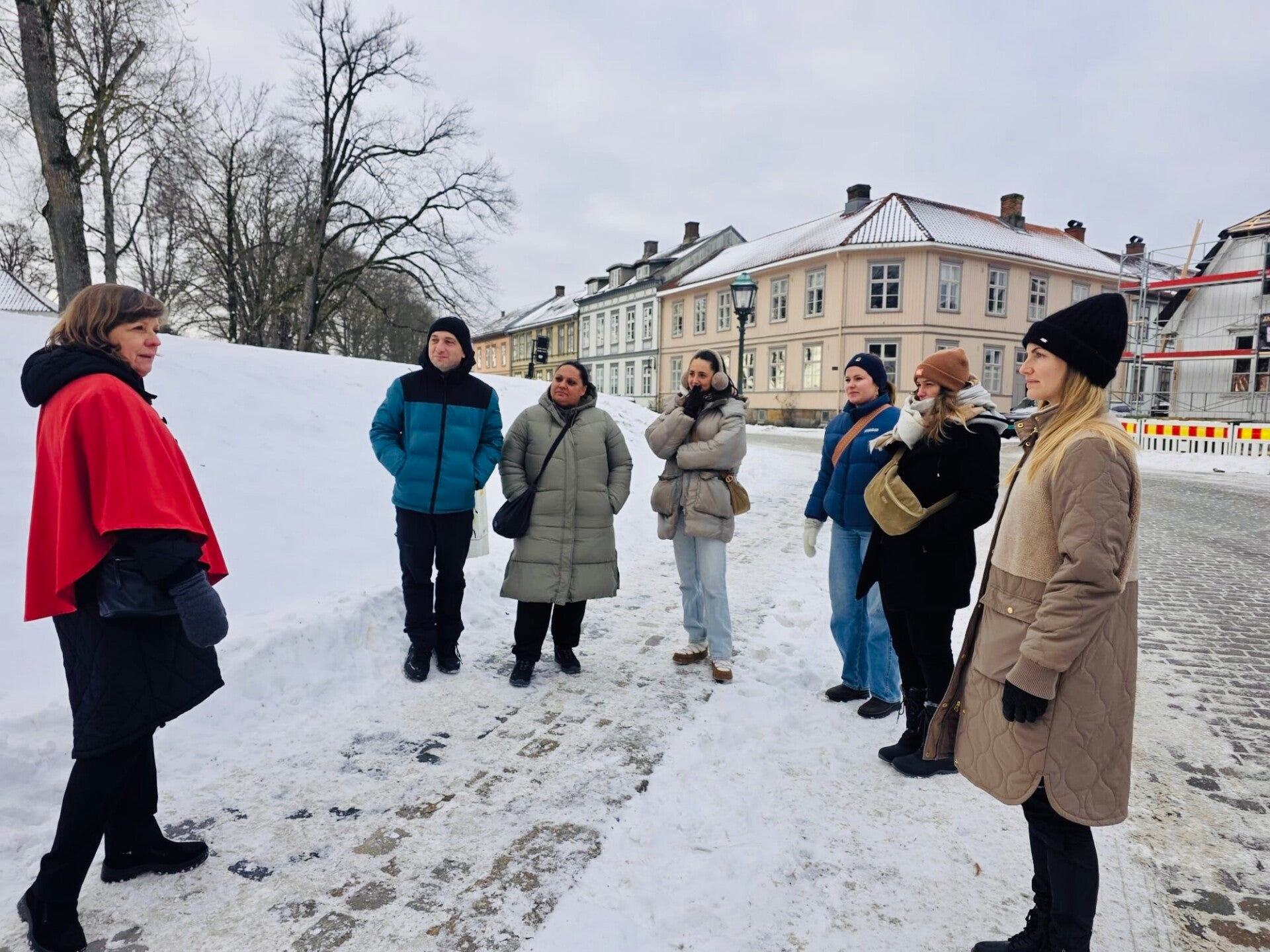
Photo: Mathia Pacenti / © WanderNorway
One of the things I love most about this work is that I will probably never be able to say, Now I know Norway. And I hope I never can.
Norway stretches for an extraordinary distance from south to north, changing character again and again along the way. The soft agricultural landscapes and coastal towns of the South feel far removed from the dramatic fjords of Western Norway. Bergen has a rhythm completely different from Oslo. Hardanger changes with its orchards and waterfalls, Sognefjord stretches deep between mountains and small communities, Ålesund opens toward the Atlantic and, farther north, Helgeland begins to introduce another scale of wilderness.
Then come Lofoten, Vesterålen, Senja, Tromsø, Lyngen, Alta, Finnmark and finally the remote edges of the country where distances, weather and light rewrite the rules once again.
And every season changes everything.
A road that is effortless in July may feel completely different in February. A village bustling beneath the Midnight Sun becomes quiet under December darkness. A hike that makes perfect sense in summer can become irresponsible after the first ice. Ferry schedules change. Hotels evolve. New experiences appear. Old places reveal another story.
So I keep traveling. I keep asking questions.
I meet accommodation owners, guides and activity providers. I drive roads that I may later recommend to somebody else. I take trains, ferries and coastal ships. I visit places that are famous and others whose names rarely appear on a first-time traveler's list.
This ongoing discovery is perhaps one of the most fascinating parts of being a Travel Designer: my education never really ends. The more Norway I see, the more I understand how much remains to be discovered.
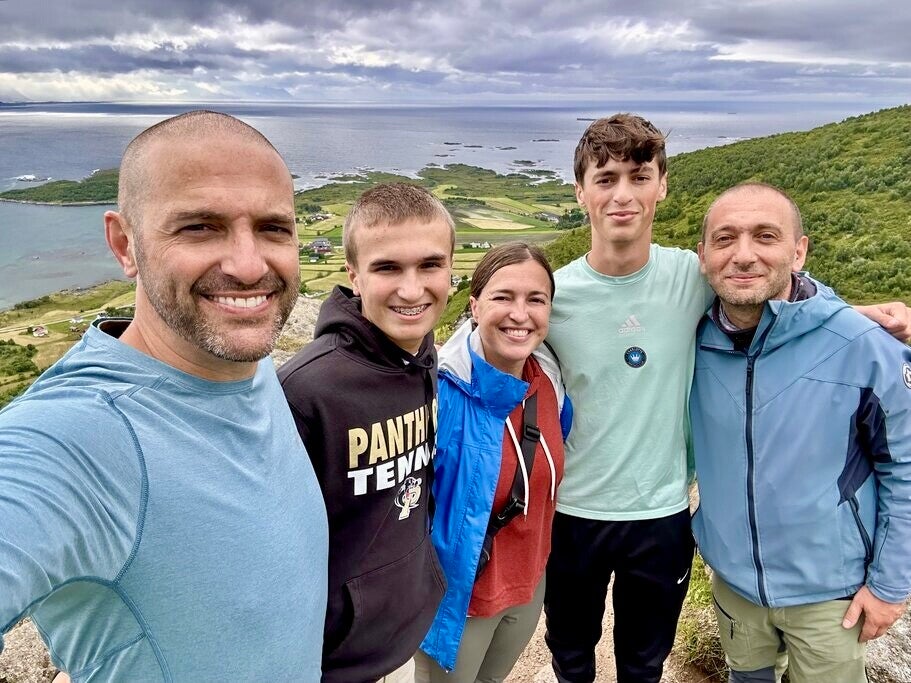
Photo: Mathia Pacenti / © WanderNorway
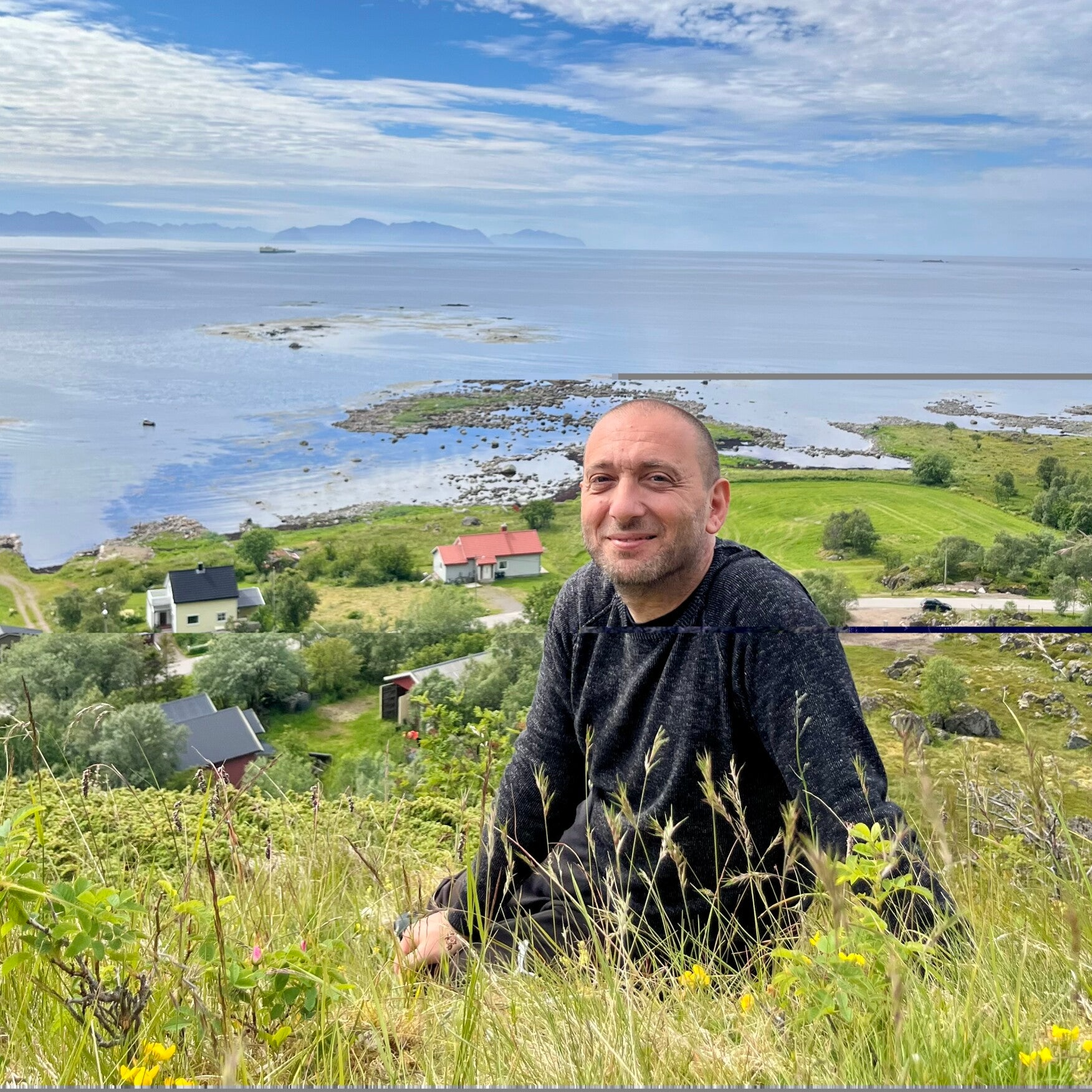
There is one part of my work that has become particularly special to me. I live on Hadseløya, in the Vesterålen Islands, surrounded by mountains, sea and the distant profile of the Lofoten Wall. This small island became my home after I first arrived in Norway as a traveler myself.
Occasionally, one of the journeys I design passes through this part of the country. And sometimes I have the privilege of meeting the people behind all those messages, questions and months of planning. Suddenly, a name on my computer screen becomes a handshake, a smile and a conversation.
We walk together through the landscape. I can show them a little of my island, talk about life in Northern Norway, point toward mountains and fishing villages, share stories, answer questions that never found their way into our planning messages and, perhaps most importantly, simply spend some time together.
A lovely family I had helped with a journey through Northern Norway eventually passed close enough to my home that we were able to meet and explore part of Vesterålen together. After so much correspondence, that meeting became one of those reminders of why I enjoy this work so much: travel is ultimately about meeting people.
During my nature walks on Hadseløya, I do not want visitors only to look at the landscape. I want them to understand a little of what surrounds them. Why communities developed where they did. How the sea has shaped life here. How quickly Arctic weather can change. What it means to live with endless summer light and long winter darkness. Why some places deserve to be approached slowly rather than consumed quickly.
These walks are small experiences compared with a journey across an entire country. But sometimes small experiences are the ones we remember.
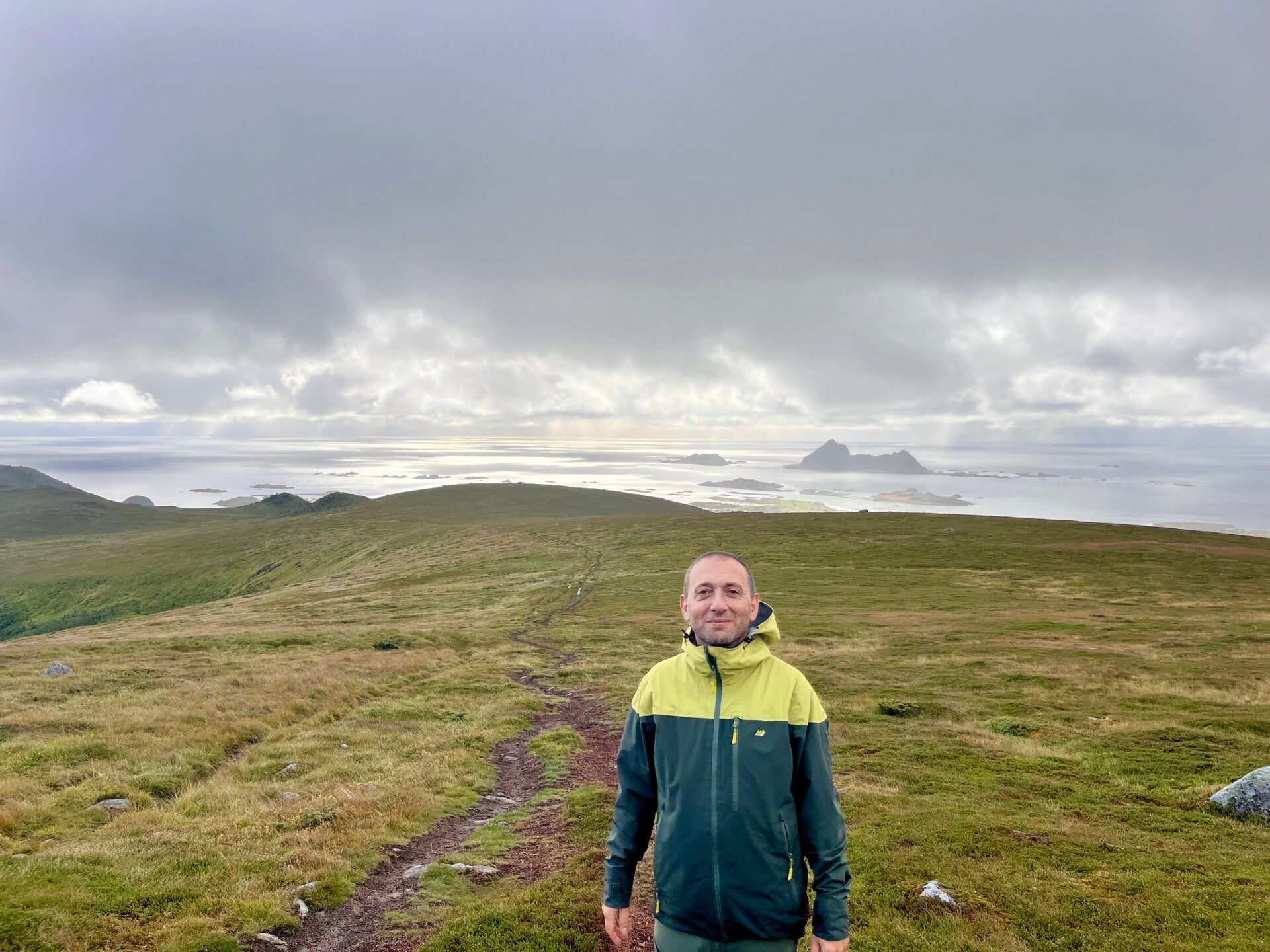
Photo: Mathia Pacenti / © WanderNorway
Living in Norway has also strengthened something I believed long before becoming a Travel Designer. Travel carries responsibility. For me, responsible travel does not mean telling people they should not visit beautiful places. Quite the opposite. I believe travel can create curiosity, understanding and connection. It can support communities, preserve traditions and remind us that landscapes are not simply backgrounds for photographs.
Whenever possible, I like journeys that give places time to breathe. A train instead of another short flight. A ferry where the journey itself becomes part of the experience. A small local guide who can tell you why a place matters rather than simply where to stand for the photograph. An extra night instead of another rushed destination. A locally rooted experience that leaves something behind in the community.
Sometimes responsible travel is simply about slowing down enough to notice where you are.
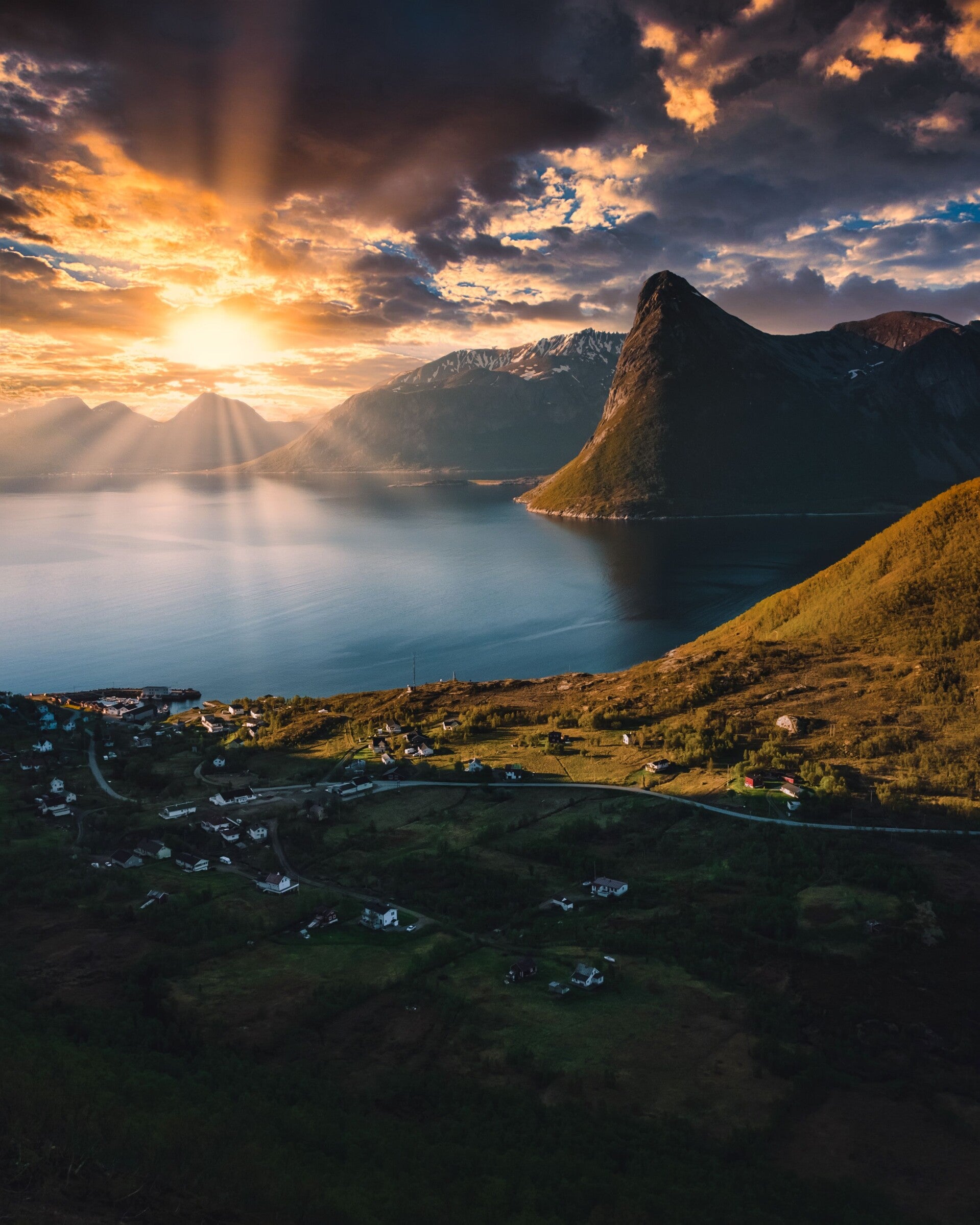
Northern Norway has taught me this particularly well. Up here, nature has little interest in our schedules. Wind arrives. Ferries cross open water. Clouds hide mountains and reveal them again. The aurora may appear, or it may not. The Midnight Sun does not perform for anyone; it simply exists.
Travel becomes richer when we stop trying to control every moment of it.
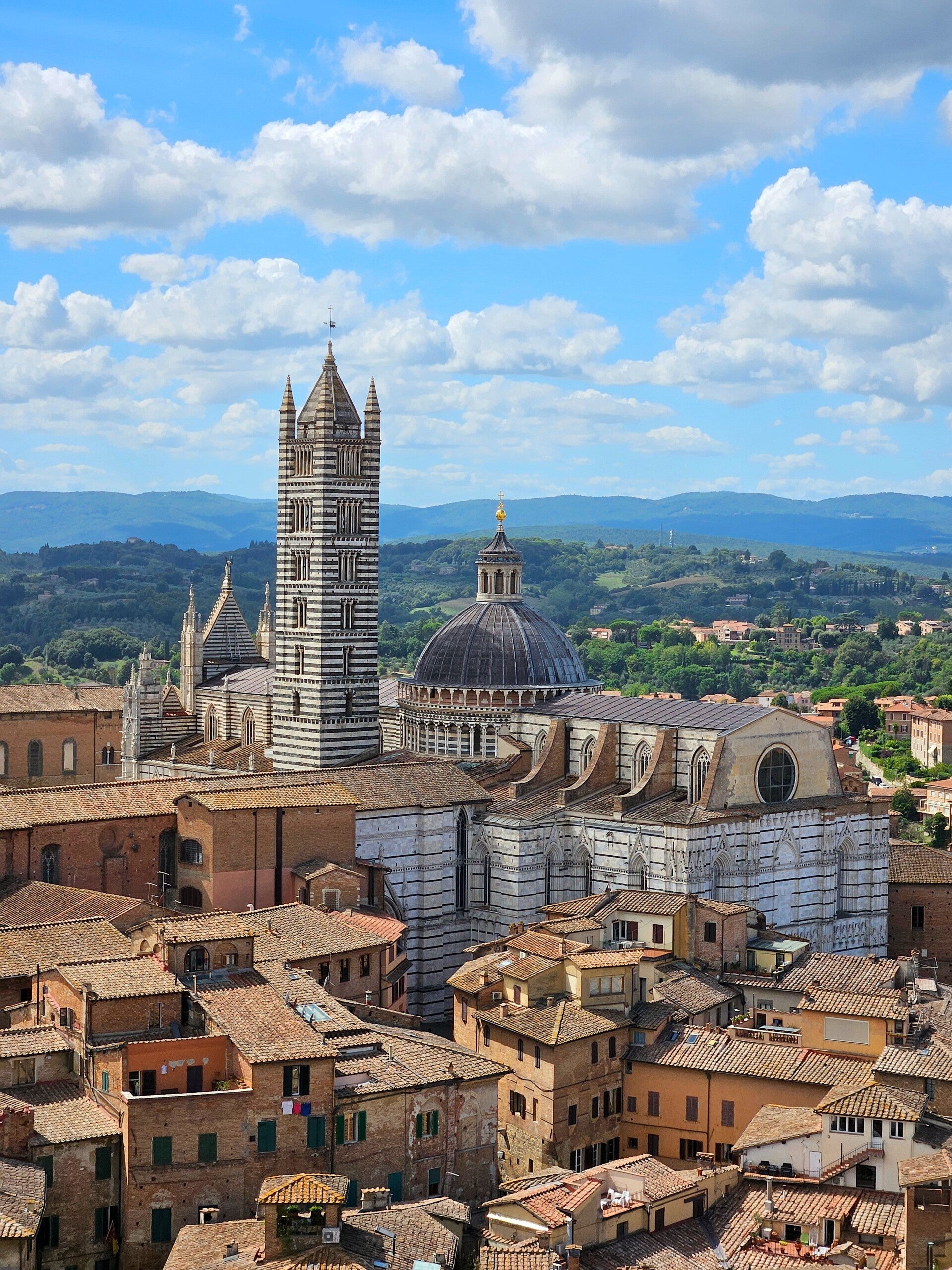
There is another part of my story that influences the way I look at travel, perhaps more deeply than I sometimes realize. I was born and raised in Tuscany, Italy, a land where history, landscape and tourism have lived side by side for generations.
Growing up there meant being surrounded by places that people travel across the world to see: old towns, churches, medieval streets, countryside shaped by centuries of human presence, food traditions closely connected to the land, and communities whose identity is inseparable from their history. When you grow up in a place that others dream of visiting, you learn something important very early: a destination is never only a destination. It is someone's home.
Behind the beautiful photograph there are people going to work, families carrying traditions forward, farmers caring for landscapes, small businesses trying to survive, old buildings that need protection and communities constantly balancing the advantages of tourism with the changes it can bring.
Coming from Italy has therefore given me an unusual perspective on my work in Norway.
I know what it feels like to come from a place that travelers sometimes see through the romantic lens of a holiday. And now, living in Northern Norway, I find myself once again surrounded by landscapes that people cross continents to experience.
The geography could hardly be more different. Tuscany gave me rolling hills, vineyards, stone villages, Renaissance cities and centuries of visible human history. Norway gave me Arctic islands, fjords, mountains, fishing communities, enormous distances and a landscape where nature often seems to have the final word.
Yet there is a connection between the two. Both places remind me that geography shapes people. History shapes people. And eventually, tourism shapes them too.
This is something I carry with me when designing a journey. I do not see Bergen simply as a collection of attractions, or Lofoten only as dramatic mountains reflected in the sea. I try to think about the communities behind these places, why settlements developed where they did, how fishing, farming, trade, climate and isolation influenced their history, and how tourism is becoming another chapter in that story. Having experienced tourism first through the eyes of someone growing up in a famous destination and later through the eyes of someone living in a small community in Northern Norway has made me particularly conscious of its impact.
Tourism can be an extraordinary force. It creates encounters between people who might otherwise never meet. It supports guides, fishermen, farmers, restaurants, family-run accommodations and small communities. It can encourage traditions to survive because suddenly there is renewed interest in the stories, food, crafts and knowledge that local people carry with them.
But tourism also asks something from a place. More visitors mean more pressure on trails, roads, housing, natural areas and everyday community life. A beautiful location can slowly become something people simply arrive at, photograph and leave without ever understanding what made it special in the first place.
That is why I believe the role of a Travel Designer should go beyond arranging logistics.
There is an opportunity to create a bridge between the traveler and the destination. Sometimes that means encouraging someone to stay another night instead of rushing onward. Sometimes it means choosing a local experience, traveling outside the busiest hours, using public transportation where it makes sense or introducing a traveler to a place that does not appear on every list of Norway's "must-sees." And sometimes it simply means sharing the story behind what they are looking at.
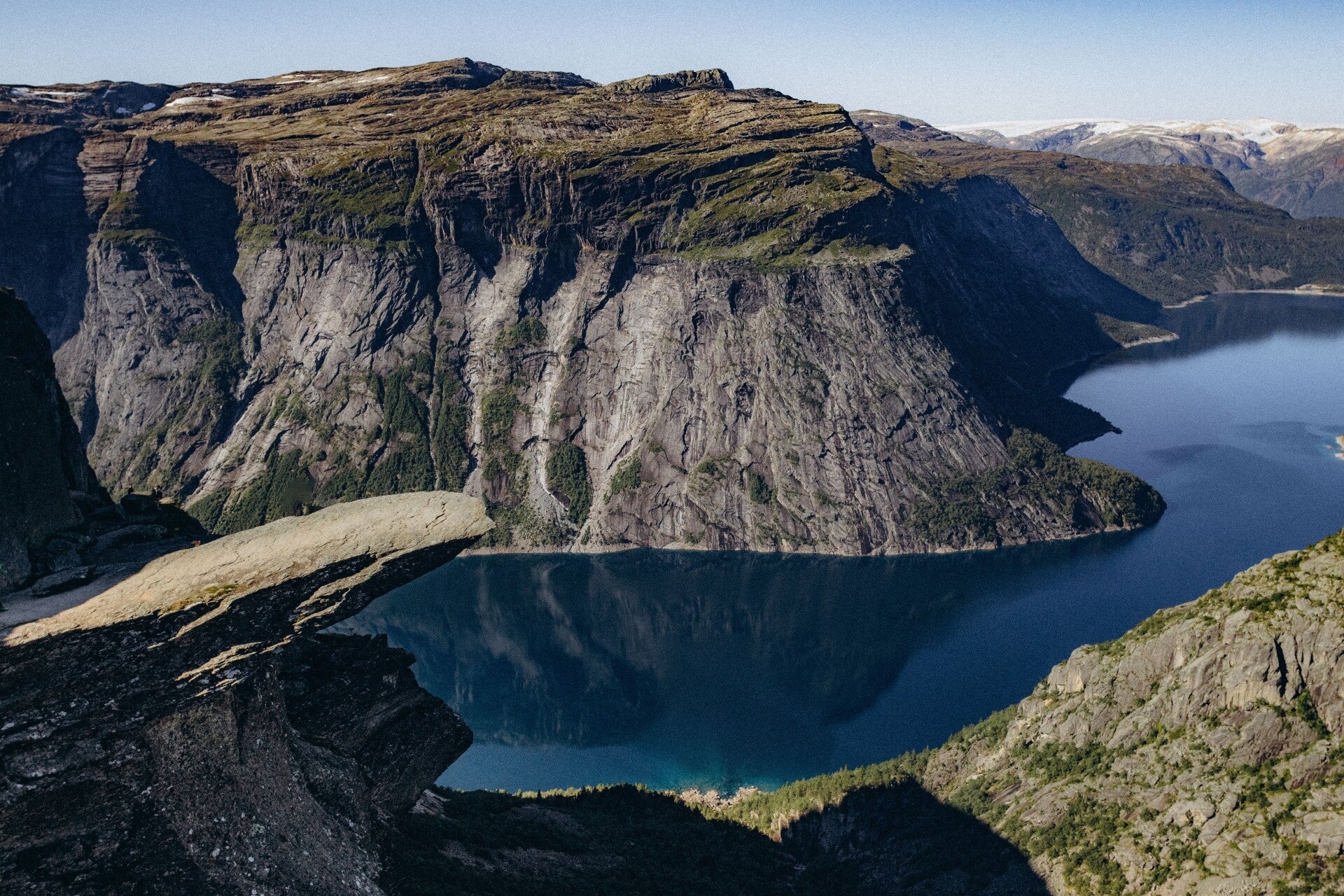
Perhaps the most important thing I can say about my profession is that before being a Travel Designer, I am a traveler. I know the excitement of studying a map and imagining where a road might lead. I know the pleasure of arriving somewhere for the first time. I know what it means to sit on a train watching a country unfold outside the window and suddenly realize that the journey itself is becoming as important as the destination.
I also know uncertainty. Will this connection work? Did I choose the right hotel? Am I spending too much time here and too little there? What am I missing?
Those questions are part of traveling, and remembering them helps me understand the people who contact me. I do not want to design a trip as if I were moving pieces around a map. I try to imagine myself inside it.
There is no perfect itinerary for Norway. There is only the itinerary that feels right for you.
For one traveler, Norway may be a quiet cabin facing a fjord. For another, it is a challenging mountain trail. It can be Oslo's museums, Bergen's wooden streets, the orchards of Hardanger, a train disappearing into the mountains, the silence of Sognefjord, the Atlantic breaking against the coast of Ålesund, or a fishing village glowing beneath the Arctic winter sky.
Perhaps it will even bring you to my little island in Vesterålen.
And if it does, maybe we will finally meet, not through a screen or a travel plan, but somewhere outside, walking beneath the mountains with the sea beside us. I can tell you a few stories about the island. You can tell me about the journey that brought you here.
And for a little while, there will be no traveler and no Travel Designer. Just two people walking through Norway. Because in the end, that is what I believe travel should do. It should bring landscapes closer, cultures closer and, above all, people closer.