
Photo: Petr Pavlicek / Visit Lyngenfjord
Customs, traditions and the quiet art of belonging
When I first arrived in Norway from Tuscany, I understood that learning to live here would require far more than becoming familiar with a new language, climate or landscape. I would also have to learn a different way of interpreting life.
Coming from Italy, I was accustomed to a culture that often expresses itself openly: animated conversations, spontaneous encounters, affection communicated through gestures, and long meals where food and conversation are equally important. Norway seemed to speak more quietly. People respected distances I did not yet understand. Silence appeared in places where I expected conversation, invitations were often planned well in advance, and emotions were expressed with a restraint that could initially be mistaken for coldness.
After many years in this country, and especially through my life in Hadseløya, surrounded by the sea, mountains and changing Arctic light, I have learned that Norwegian culture rarely reveals itself all at once. It needs to be observed slowly. I have had to learn how to read what is not said: the kindness hidden inside practical help, the friendship expressed through reliability, the invitation contained in the simple question Skal vi gå en tur?—shall we go for a walk?
I have discovered that silence does not necessarily mean distance, simplicity does not mean a lack of ambition, and independence does not exclude a strong sense of community.
Naturally, there is no single way of being Norwegian. Life in Oslo is different from life in Vesterålen; a fishing community on the northern coast has different rhythms from an inland farming valley. Generations, family histories and cultural backgrounds also shape people in different ways. Not every Norwegian skis, owns a cabin, wears a bunad or enjoys lutefisk.
Yet certain values, customs and seasonal traditions appear repeatedly. Together, they form a kind of invisible map for understanding Norwegian life.
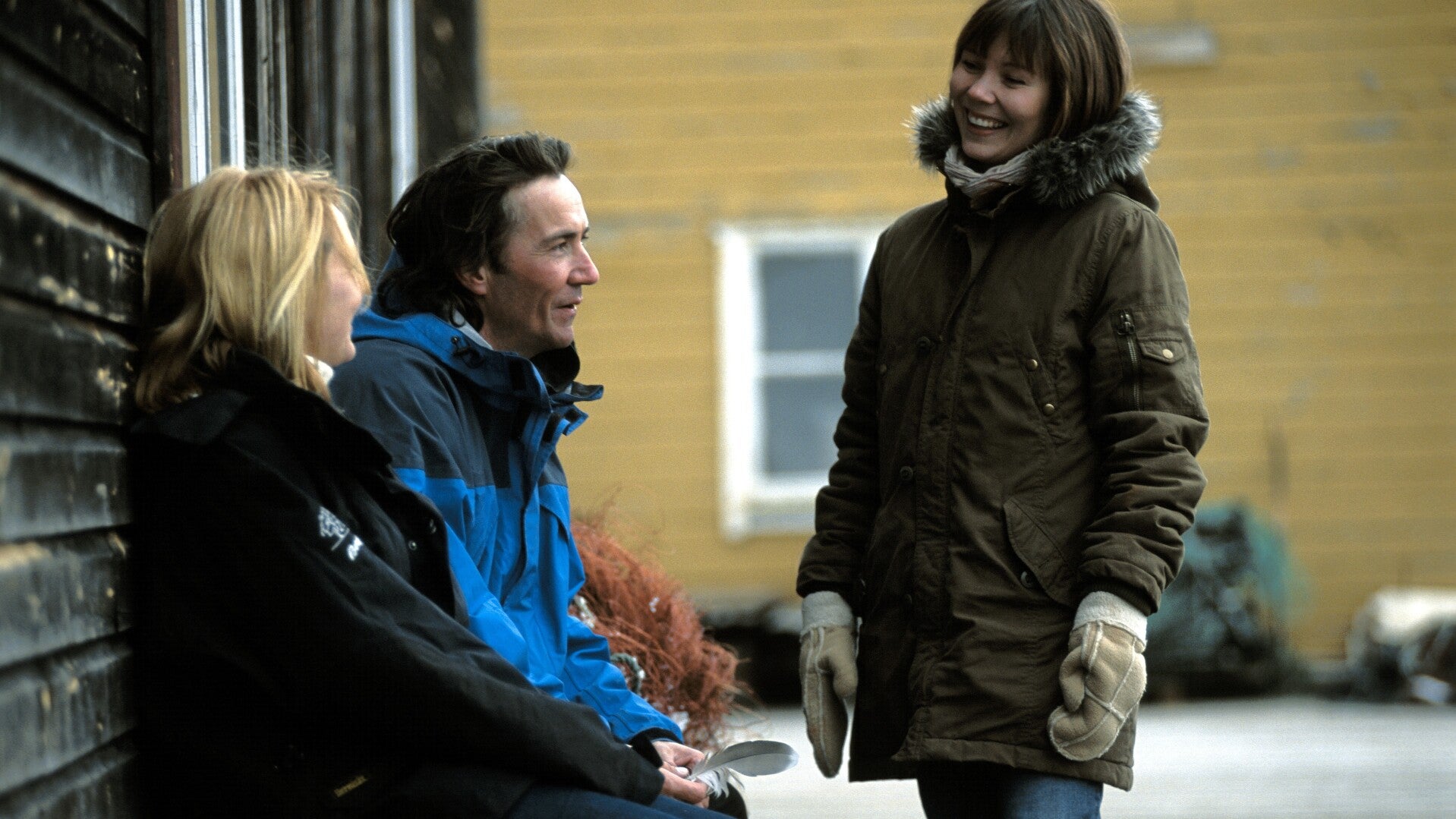
Photo: Terje Rakke / Nordic Life
The language of personal space
One of the first things many foreigners notice is the importance of personal space. On a bus, people usually choose an empty seat before sitting beside a stranger. Small talk with unknown people is less common than in many southern European countries, and an unexpected visit to someone’s home may create more concern than pleasure.
This should not automatically be interpreted as unfriendliness. Privacy is valued, and respecting another person’s space is often considered a form of politeness. Friendships may take longer to develop, but once trust has been established, they can be remarkably loyal and dependable.
Norwegian hospitality is usually understated. A person may not insist repeatedly that you visit, but when you are invited, the welcome is genuine. Shoes are normally left by the entrance, and arriving punctually is appreciated. After eating, saying takk for maten—thank you for the food, is almost automatic. After a social gathering, you may hear takk for i kveld—thank you for this evening, while takk for sist—thank you for the last time—is used the next time you meet.
What I particularly appreciate is how naturally people begin greeting each other with a hug, without kissing on the cheeks as we often do in Italy, a respectful and genuinely warm gesture of affection and mutual recognition. I have also noticed the deep respect people show during conversations: I have never felt judged or been asked intrusive questions that might make me uncomfortable.
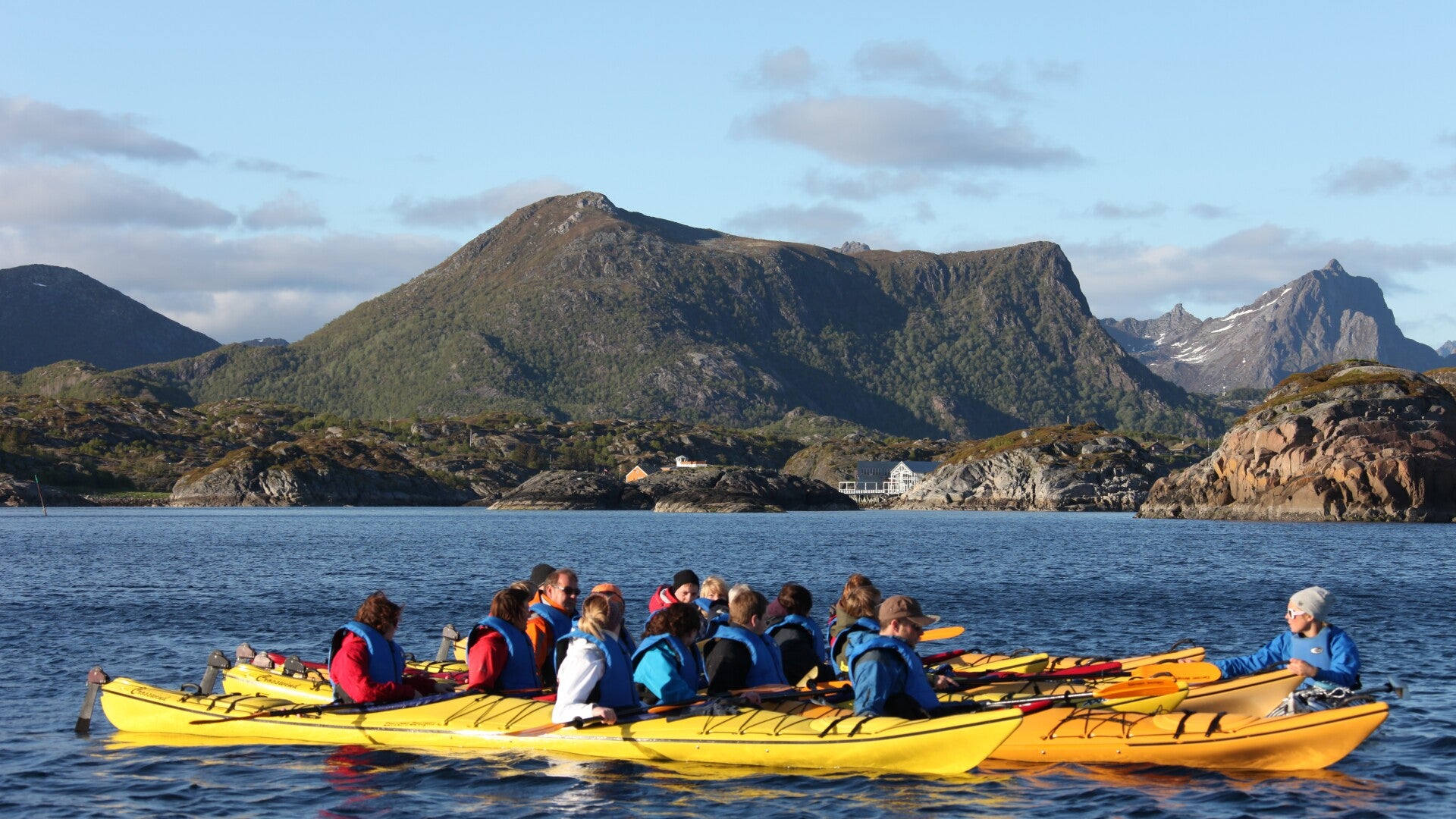
Photo: Roger Johansen / www.nordnorge.com
Equality, modesty and the shadow of Janteloven
Norwegian society places a strong emphasis on equality. Workplaces are often less hierarchical than foreigners expect, colleagues commonly address one another by their first names, and managers may dress and speak much like everyone else. Authority exists, but it does not always need to advertise itself.
Wealth and success are accepted, but excessive self-promotion may be received with discomfort. This attitude is frequently associated with Janteloven, the Law of Jante. It is important to remember that Janteloven is not an actual law. It comes from Aksel Sandemose’s 1933 novel "A Fugitive Crosses His Tracks," in which ten satirical rules describe the social control found in a fictional small town where individuality and success are treated with suspicion.
The expression is still used when discussing the Scandinavian reluctance to boast or stand too far above the group. Sometimes this produces admirable modesty and social equality. At other times, it can discourage people from celebrating their achievements or expressing their individuality.
In my experience, the most useful way to understand this aspect of Norwegian culture is not “you should not believe you are special,” but rather “being successful does not make you more valuable than anyone else.”
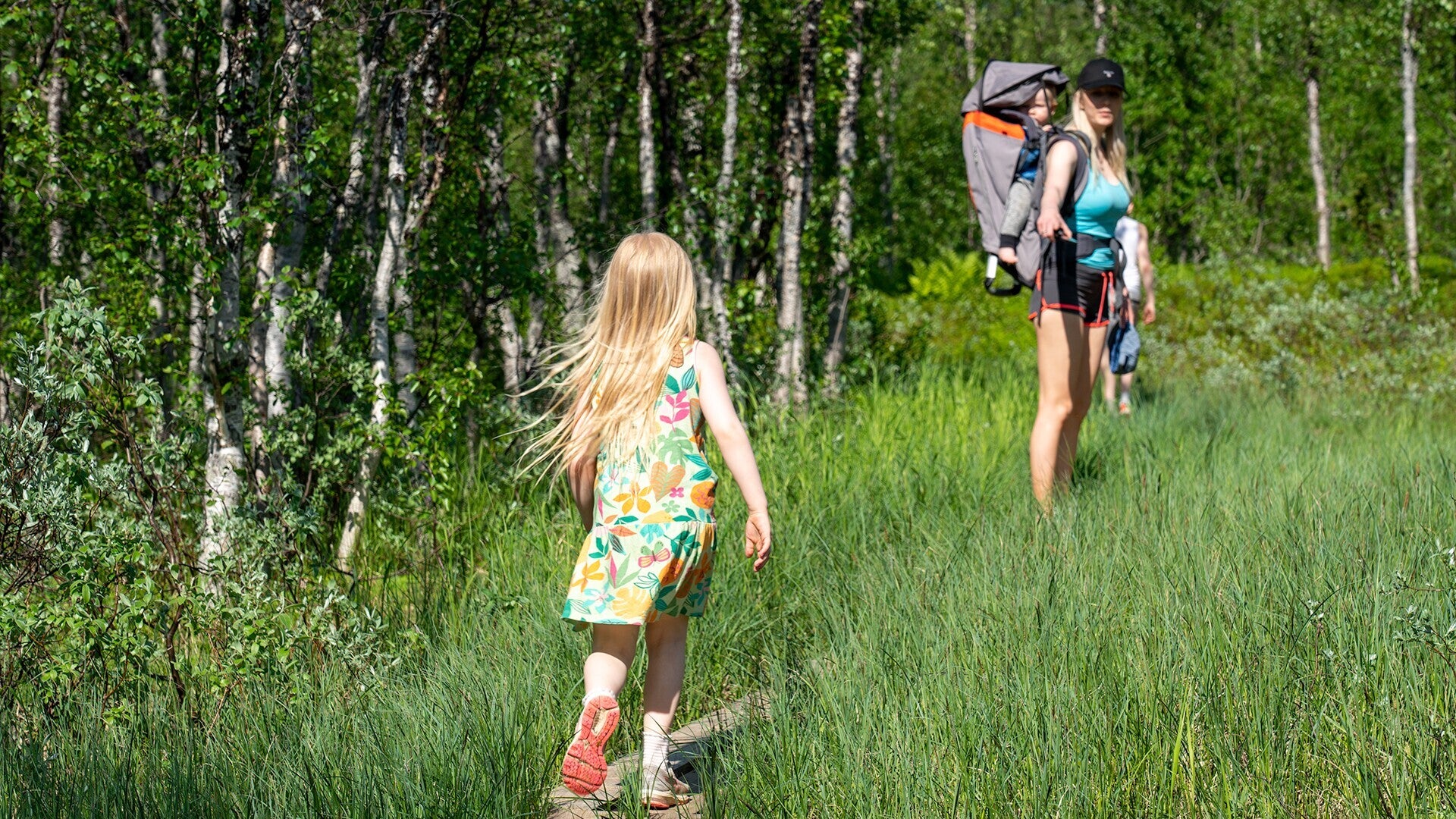
Photo: Joakin Jaksland / Visit Narvik
Trust expressed through independence
Norwegian children are often encouraged to become independent early. They learn to manage changing weather, carry their own belongings and spend time outdoors in conditions that might keep children inside elsewhere. The familiar saying Det finnes ikke dårlig vær, bare dårlige klær—there is no bad weather, only unsuitable clothing—may sound humorous, but it reflects a serious cultural principle: life should adapt to nature rather than stop because of it.
Adults are also generally expected to manage their own responsibilities. Punctuality, preparation and reliability matter. If someone says they will do something, the promise may be expressed without great enthusiasm, but it is usually meant seriously.
For someone from a more expressive culture, this takes time to understand. In Norway, affection and care are often practical. A neighbor may not ask many personal questions, but they may arrive with tools when something needs repairing. A friend may not write every day, but they will drive a long distance to help when it truly matters. This is something I have gradually discovered during my years here: when help is genuinely needed, it can come in many different forms and from almost anyone, often without being requested or accompanied by many words.
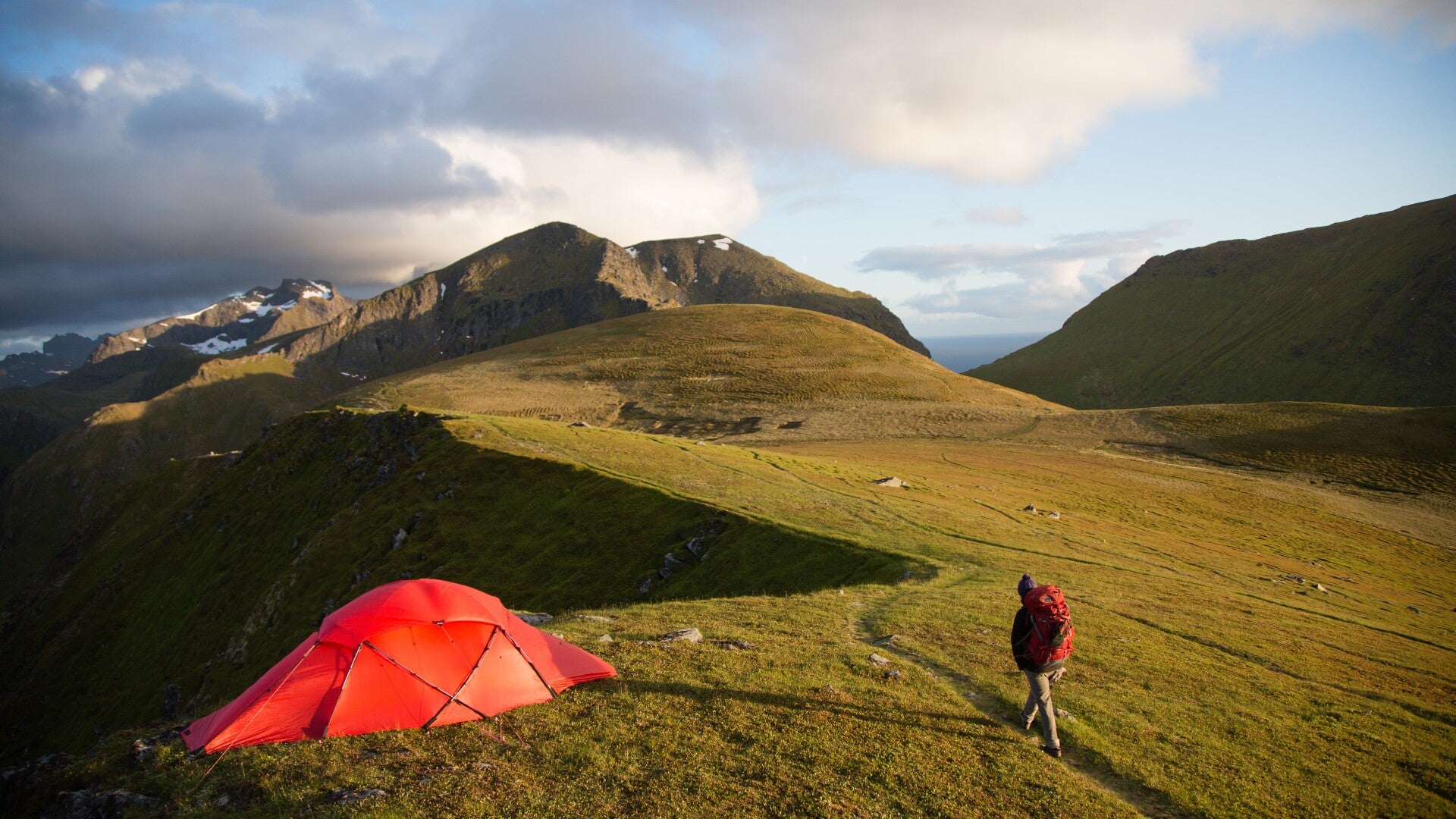
Photo: Kristin Folsland Olsen / www.nordnorge.com
Friluftsliv: nature as part of ordinary life
Few ideas are as closely associated with Norway as friluftsliv, literally “open-air life.” It does not simply mean extreme adventure or conquering difficult summits. It can be a short walk through the forest, berry picking, fishing, swimming, skiing, sitting beside a fire or drinking coffee outside.
The word tur is central to this relationship. A tur can be a walk, a hike, a ski trip, a boat journey or simply an excursion outside. The goal does not always have to be impressive. What matters is leaving the house, moving through the landscape and sharing time with others, or enjoying solitude.
Norway’s allemannsretten, the right to roam, allows people to walk, ski, cycle and camp responsibly on uncultivated land, regardless of who owns it. This freedom is protected through the Outdoor Recreation Act, but it comes with obligations: respect nature, avoid disturbing people and animals, observe local restrictions and leave no trace.
Living in Northern Norway has taught me that nature here is not only scenery. It influences plans, conversations, food, work and mood. Weather is consulted before almost every decision. Light becomes a presence of its own: endlessly generous in summer, brief and precious in winter.
The Norwegian cabin, or hytte, represents another expression of the relationship with nature. Some modern cabins are luxurious, but the traditional idea of cabin life is based on simplicity. A hytte may have limited electricity, no running water and a considerable distance to the nearest road.
The inconvenience is often part of the attraction.
Cabin life offers an escape from schedules, digital distractions and social expectations. Days revolve around carrying water, lighting the fire, cooking uncomplicated food, walking or skiing and spending time together. Easter, weekends and school holidays are often connected with journeys to family cabins in the mountains, forest or beside the sea.
Norwegian comfort is not always about having more. Sometimes it is about deliberately needing less.
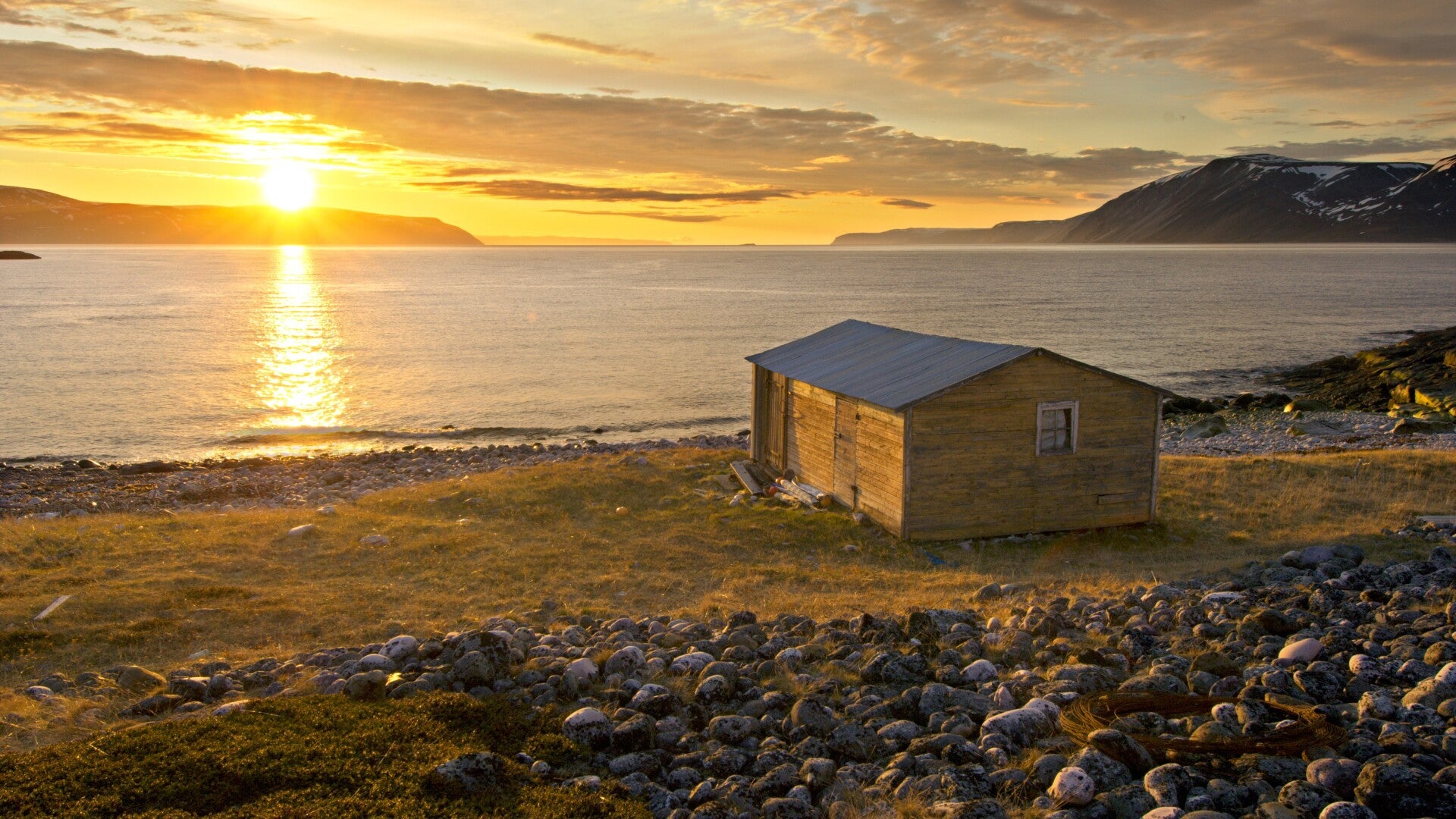
Photo: Bjarne Riesto / www.nordnorge.com
Kos: creating warmth against the elements
The word kos is often translated as cosiness, but it describes more than a comfortable room. It is the feeling created by good company, warmth, food, candles, coffee or a peaceful moment. Something can be koselig, but people can also kose seg—enjoy themselves in a warm, relaxed way.
I have come to understand how important this word and the feeling behind it are to Norwegians. You can even hear it in the warmth of their voices when they say it or wish it for someone else: Kos deg! It expresses a genuine moment of pleasure that deserves to be recognized, shared and celebrated.
Kos becomes particularly important during the darker months. When the weather is wild and daylight is limited, people create light and intimacy indoors. A cup of coffee after a walk, waffles at a mountain lodge or an evening beside the fire can all be forms of kos.
Perhaps this is one of Norway’s quietest life lessons: difficult surroundings do not remove the possibility of comfort. They make creating it more meaningful.

Photo: Terje Rakke / Nordic Life
Everyday food and the humble matpakke
As an Italian, adapting to Norwegian lunch culture required a certain amount of patience. In Italy, food is often an occasion. In Norway, the weekday lunch can be practical, efficient and surprisingly repetitive.
The traditional matpakke consists of slices of bread, often open sandwiches, with different kinds of pålegg, or toppings. These may include white cheese, brown cheese, liver pâté, cured meat, smoked salmon, boiled eggs, mackerel in tomato sauce or caviar spread.
This modest packed lunch makes sense in a culture where people frequently eat outdoors and where practicality is appreciated. Add a thermos of coffee, an orange or chocolate, and the matpakke becomes part of the tur experience.
Norwegian food traditions reflect geography and the historical need to preserve food through long winters. Drying, salting, smoking and fermenting produced foods such as stockfish, cured lamb, dried meats, pickled herring and cheeses. Coastal communities developed around cod and other seafood, while inland areas relied more heavily on livestock, grains, potatoes, berries and wild game.
Waffles are among the most welcoming everyday foods. Usually heart-shaped, they are served with jam and sour cream, butter or sweet brown cheese. They appear in cafés, private homes, ferry lounges, sports clubs and mountain cabins.
Not all Norwegian customs are ancient. Friday tacos—fredagstaco—have become a modern family ritual in many homes. Pizza, coffee culture and international food have also found distinctively Norwegian places in the weekly rhythm. Traditions survive not because they remain unchanged, but because people continue adapting them.
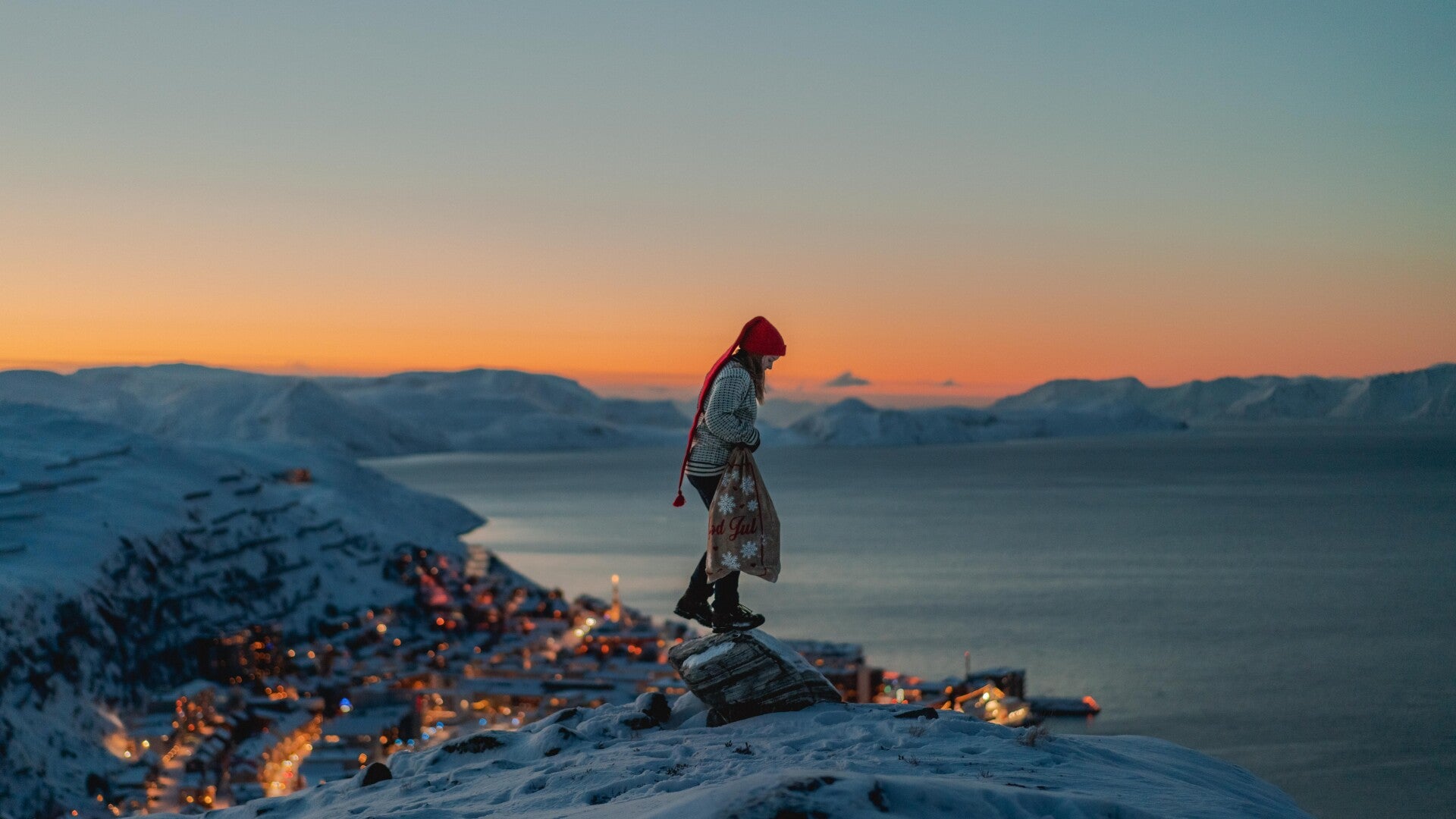
Photo: Marthe Nyvoll / Visit Hammerfest
Christmas: a season rather than a single day
Norwegian Christmas, jul, begins long before Christmas Eve. Advent lights appear in windows, Christmas markets open, concerts are organized and families bake småkaker. Tradition speaks of making seven varieties of Christmas biscuits, although not every household attempts the full collection.
The main family celebration takes place on Christmas Eve, 24 December. Dinner varies by region and family. Common dishes include ribbe, roasted pork belly; pinnekjøtt, salted and dried lamb ribs; cod and lutefisk. Rice porridge may be served with an almond hidden inside, and older folklore tells of leaving porridge for the fjøsnisse, the small guardian of the farm.
Presents are normally opened on Christmas Eve. The following days form romjul, a quieter period for family visits, walks, leftovers and rest. Before Christmas, workplace julebord gatherings offer a much livelier contrast.
The word jul predates Christianity and comes from the Old Norse midwinter celebration jól. Over time, pre-Christian customs, Christian traditions and modern family rituals merged into the season celebrated today. Norwegian Christmas food and customs vary considerably across the country, but light, food and togetherness remain central.
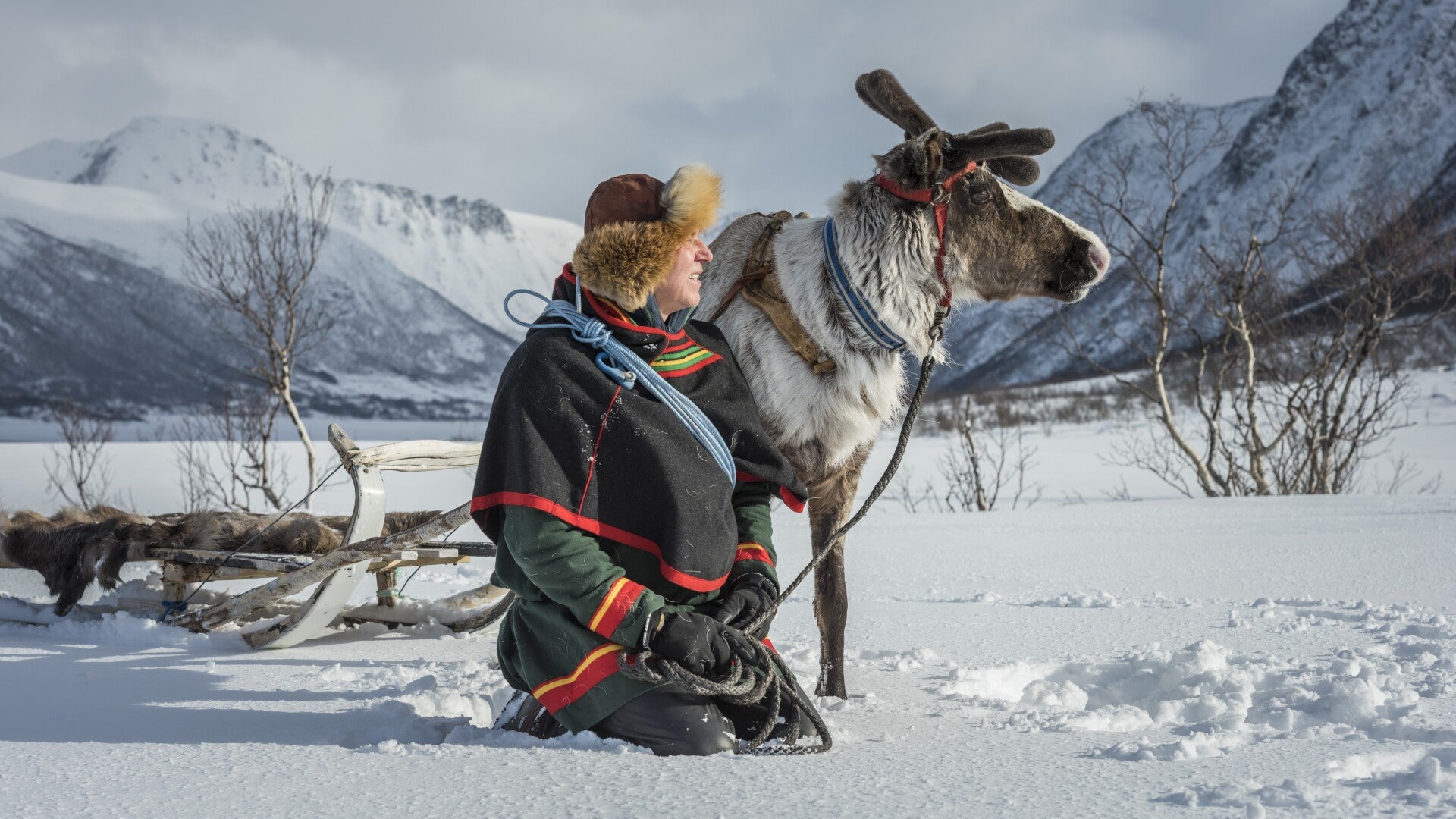
Photo: Trym Ivar Bergsmo / www.nordnorge.com
Sámi culture: a living Indigenous culture
No article about cultural traditions in Norway should present the country as culturally uniform. The Sámi are the Indigenous people of Sápmi, a cultural region stretching across parts of Norway, Sweden, Finland and Russia.
Sámi languages, clothing, music, storytelling, food traditions, handicrafts and relationships with the land vary between regions and communities. Reindeer herding is culturally and economically important for some Sámi, but it does not define every Sámi person. Modern Sámi life includes artists, teachers, politicians, musicians, office workers, fishers and people living in cities as well as rural communities.
The Sámi National Day is celebrated on 6 February and has been an official Norwegian flag day since 2003. The Norwegian Government has also recognized the profound harm caused by its historical policies of forced assimilation and their continuing consequences for Sámi language, culture and identity. This history was explicitly recognized in a 2023 address to the Sámi Parliament.
It is important to approach Sámi traditions as part of a living Indigenous culture, not as exotic northern folklore. Duodji, traditional Sámi craftsmanship, joik, Sámi musical expression, and garments such as the gákti carry meanings connected with identity, family and place. They deserve the same respect as the people to whom they belong.

Photo: Anne Olsen Ryum / www.nordnorge.com
Dialects, language and belonging
Norway has two written forms of Norwegian, Bokmål and Nynorsk, with equal legal status. Nynorsk was developed from Norwegian dialects during the nineteenth century, while Bokmål has stronger historical roots in written Danish.
Spoken dialects remain remarkably strong. People often continue using their local dialect at school, at work, in the media and in public life. A dialect immediately reveals something about geography and, sometimes, local identity. It is not necessarily corrected or abandoned in formal situations.
For someone learning Norwegian, this can be difficult. The language heard in Vesterålen may sound very different from what is taught in a textbook. Yet the northern Norwegian dialect I hear and am gradually learning here makes me particularly proud, precisely because it is so deeply connected with the place I now call home. I appreciate its directness, its humour and even its colorful use of swear words, which can make conversations feel wonderfully genuine and familiar. In some ways, this expressive way of speaking reminds me of my own place of origin, where language is also used with character, irony and emotional honesty.
In these northern words and expressions, I can almost hear the voices of generations shaped by dramatic landscapes and long journeys across a roaring sea, often far from home. There is a certain toughness in the language, but also warmth and humour, the spirit of people who learned to face harsh conditions without losing their ability to laugh. Dialects reveal how strongly Norwegian identity remains connected with place, but here in Vesterålen, they also make me feel more closely connected to the community around me.
Certain words open small windows into the culture: tur, kos, matpakke, hytte and pålegg. Their dictionary translations are simple, but their emotional and cultural meanings take years to understand.
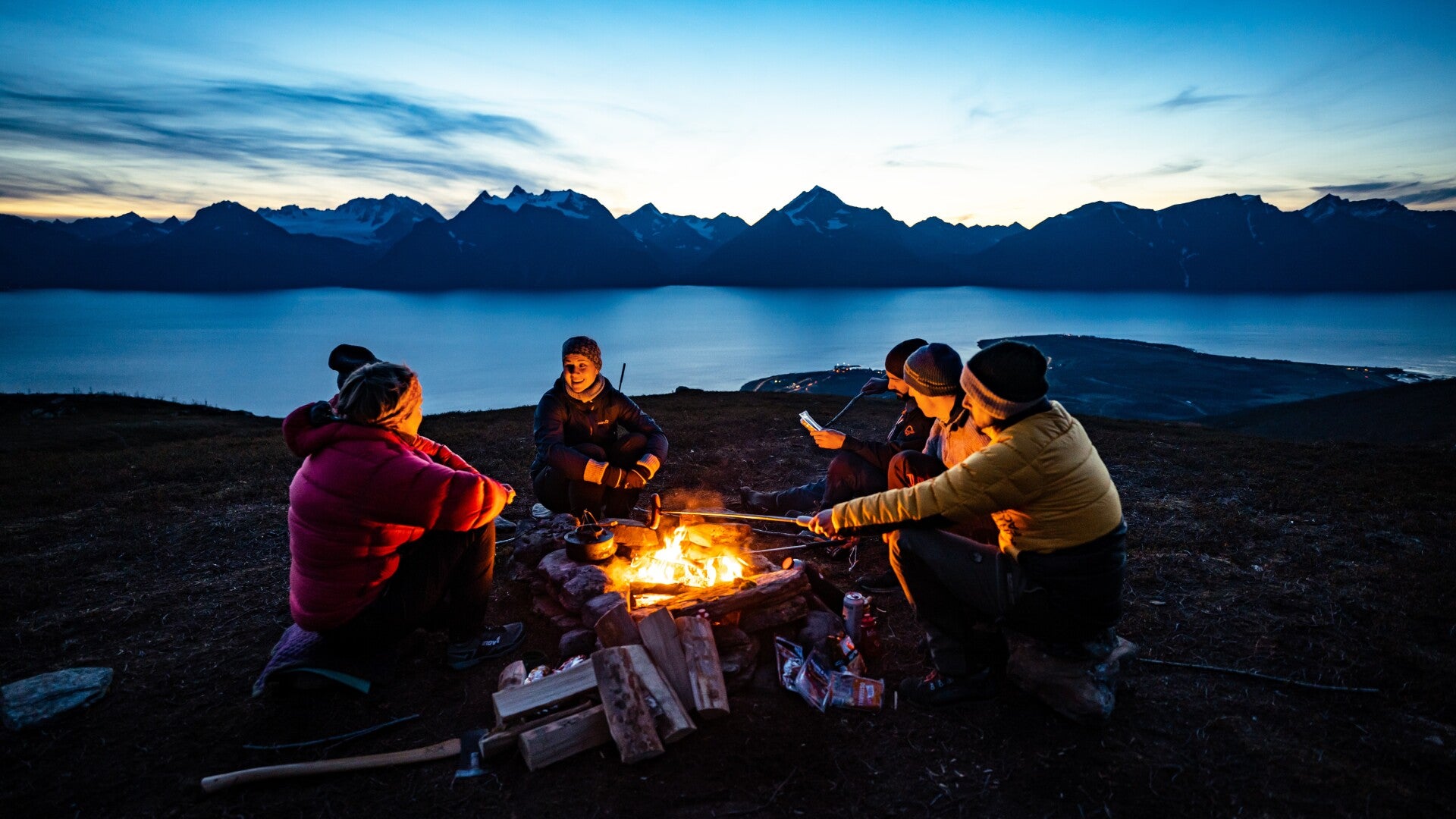
Photo: Petr Pavlicek / Visit Lyngenfjord
What Norway continues to teach me
After many years, I am still learning how to interpret this country.
Norway has taught me to be more comfortable with silence, to prepare for the weather rather than complain about it, and to understand that friendship does not always need constant words. It has shown me the dignity of simplicity, the pleasure of walking without needing a particular destination and the quiet generosity of people who offer practical help when it is genuinely needed.
At the same time, my Italian roots remain an essential part of how I see Norway. They make me notice the contrast between spontaneity and planning, expression and restraint, the long table and the solitary trail. Living between these cultures has not required me to choose one over the other. Instead, it has expanded my understanding of how many different forms warmth, belonging and generosity can take.
Perhaps this is the deepest lesson I have received from Norway: a culture is not understood by observing its most colorful celebrations alone. It is discovered in ordinary gestures, in removing your shoes at the door, packing bread for a walk, thanking someone for the last time you met, lighting a fire in the darkness or helping a neighbor without needing to explain why.
Belonging begins when these gestures no longer feel like rules learned from the outside, but become part of the rhythm through which we interpret life.