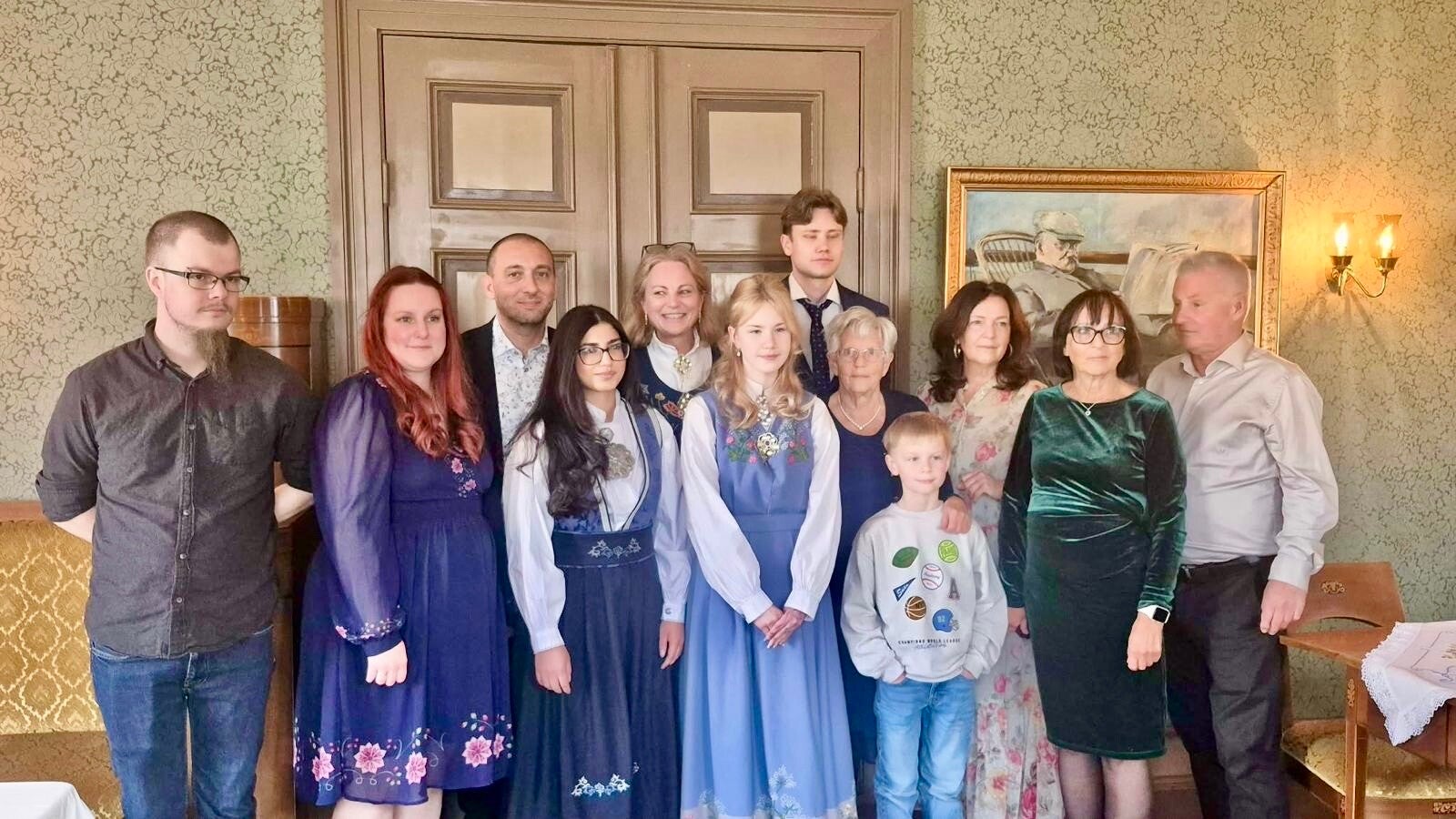
Photo: Mathia Pacenti / ©WanderNorway
Between Secularism, Family, and Memory
There are experiences that help you understand a culture better than many books. Not necessarily major public events, nor national celebrations or the most photographed places, but those intimate moments when a community gathers around a turning point in someone’s life.
In Norway, one of those moments is Konfirmasjon, or confirmation, a rite that can be religious or secular, yet in both cases carries deep social meaning.
I had the chance to attend the secular ceremony of my partner’s daughter. What struck me wasn’t just the ritual itself, but the way the whole day unfolded: with restraint, elegance, strong family involvement, and a clear sense of crossing a threshold.
The girl wasn’t simply at the center of a party. She was at the center of a transition: from childhood to an early form of personal responsibility, from family protection to a more conscious presence in the world.
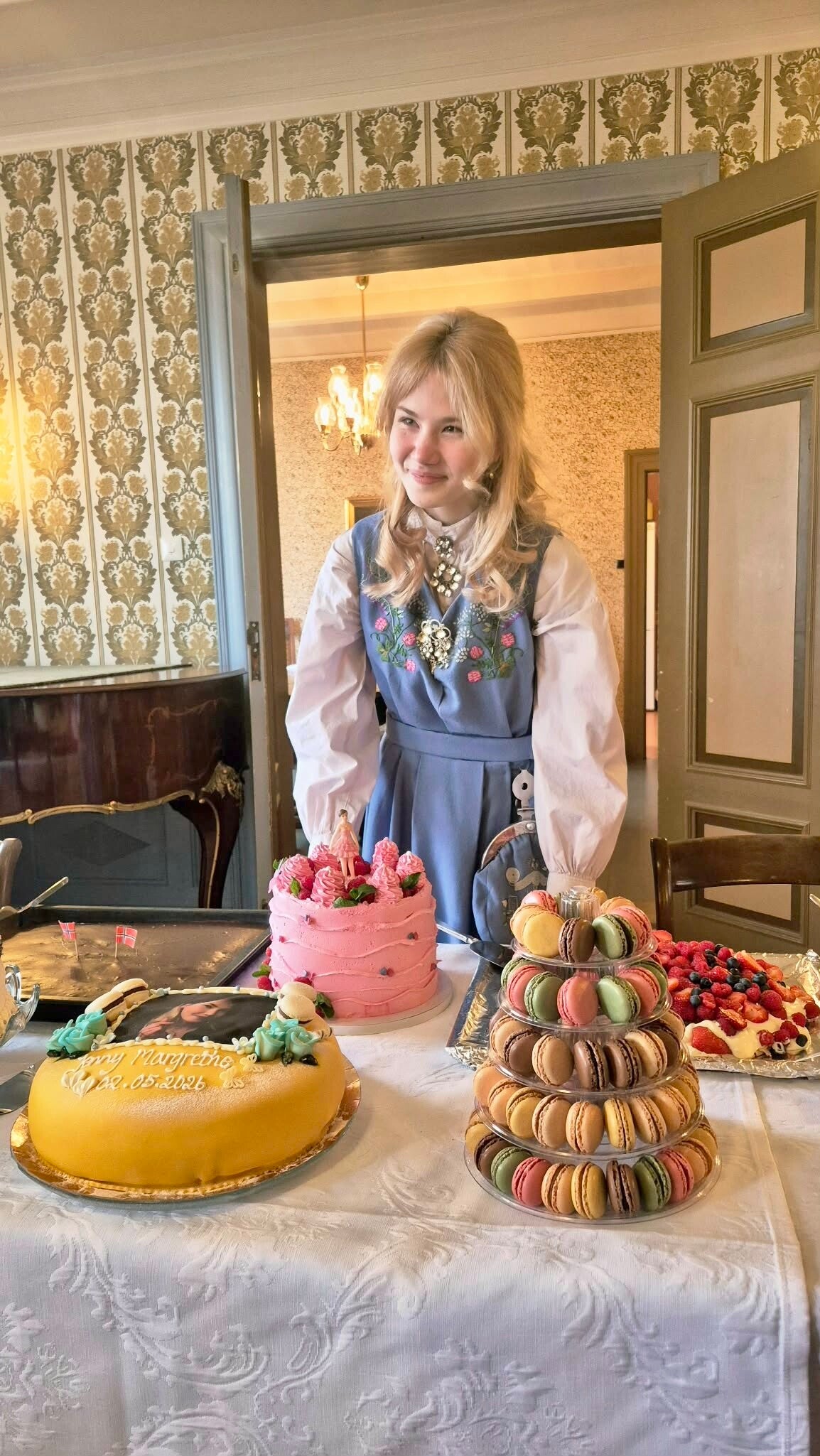
The celebration continued in the manor house of Melbo Hovedgård, a historic place that gave the day a suspended, almost timeless atmosphere.
Moving through the rooms, with food, drinks, speeches, traditional clothing, and the composed quiet of the guests, it felt like stepping into a late-19th-century scene. Not a staged reconstruction, but a living continuity between past and present.
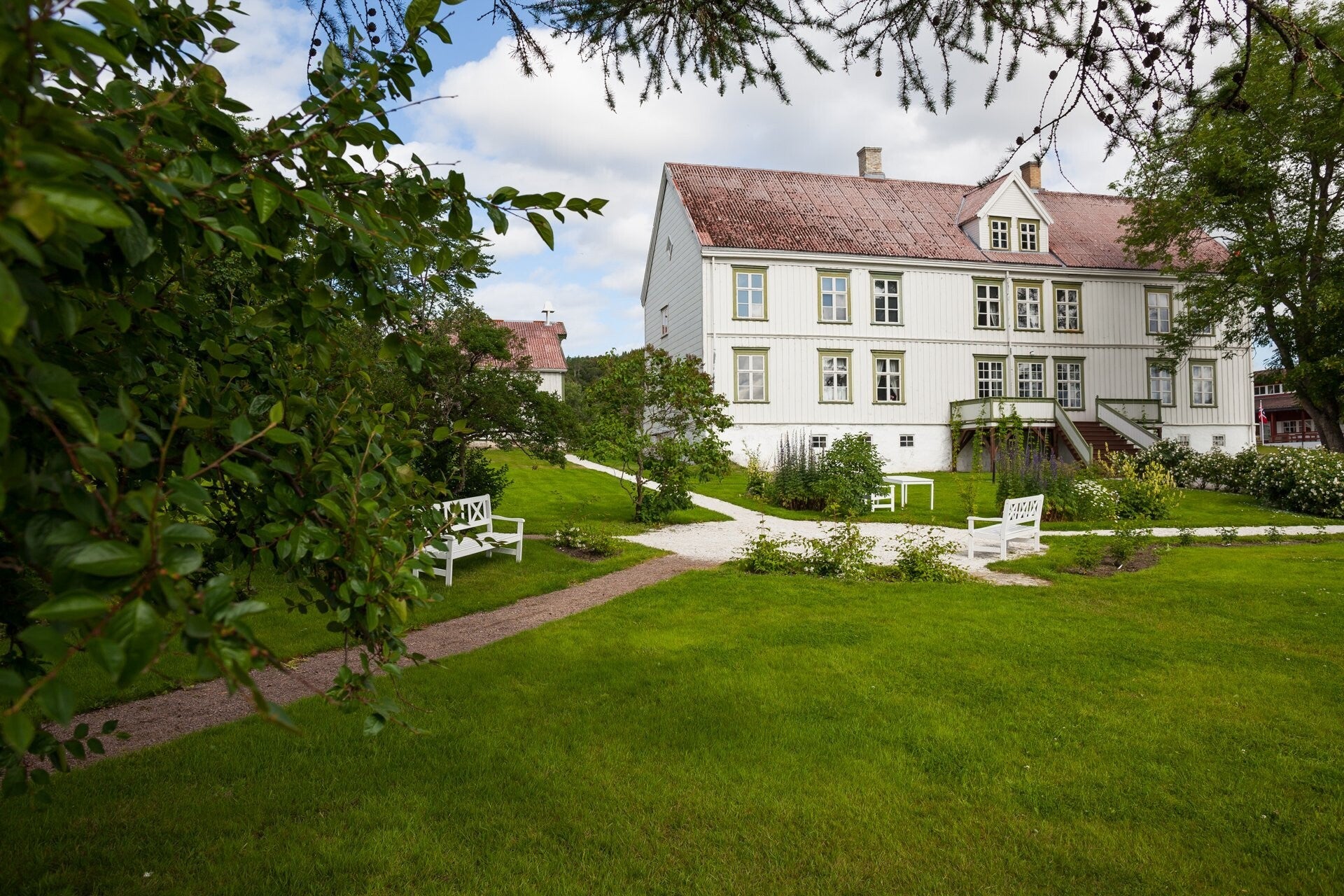
Photo: Kjell Ove Storvik / www.museumnord.no
Religious and Secular Paths
The Norwegian word Konfirmasjon means confirmation. In the Christian tradition, especially in the Church of Norway, it is linked to baptism and a young person’s faith journey, typically around the age of fourteen.
But modern Norway has also developed a strong secular form, Humanistisk Konfirmasjon. This is not a sacrament, but a civic and humanist program focused on the individual: responsibility, freedom, ethics, rights, coexistence, and the ability to choose.
What’s most interesting is that, even in a highly secular society, the need for ritual remains. The transition from childhood to adolescence isn’t left undefined. It’s marked with ceremonies, speeches, family gatherings, formal clothing, photographs, gifts, and memories.
A secular confirmation doesn’t remove the spiritual dimension. It shifts it.
It doesn’t speak necessarily of God, but of the human being. It doesn’t require a profession of faith, but awareness. It doesn’t lead to an altar, but places the young person before the community.
It is a sober but powerful ritual. It does not mark full adulthood, of course. The girl remains young, still forming, still at the heart of the family. But the day signals that something has changed. Her place in the world is beginning to take a new shape.
There’s a common misconception that secular rituals are colder or less meaningful than religious ones. Norwegian secular confirmation shows the opposite. Its strength lies not in liturgical sacredness, but in human recognition. It tells the young person: your life has value, your choices matter, freedom requires responsibility, others deserve respect, and the community sees and supports you.
In the ceremony I attended, everything felt balanced. Nothing excessive, nothing theatrical. The strength of the ritual was in its composure. The girl was celebrated not as a child to adorn, but as a young person to be recognized. Around her, the family gathered, watching, listening, sharing stories, and offering their words.
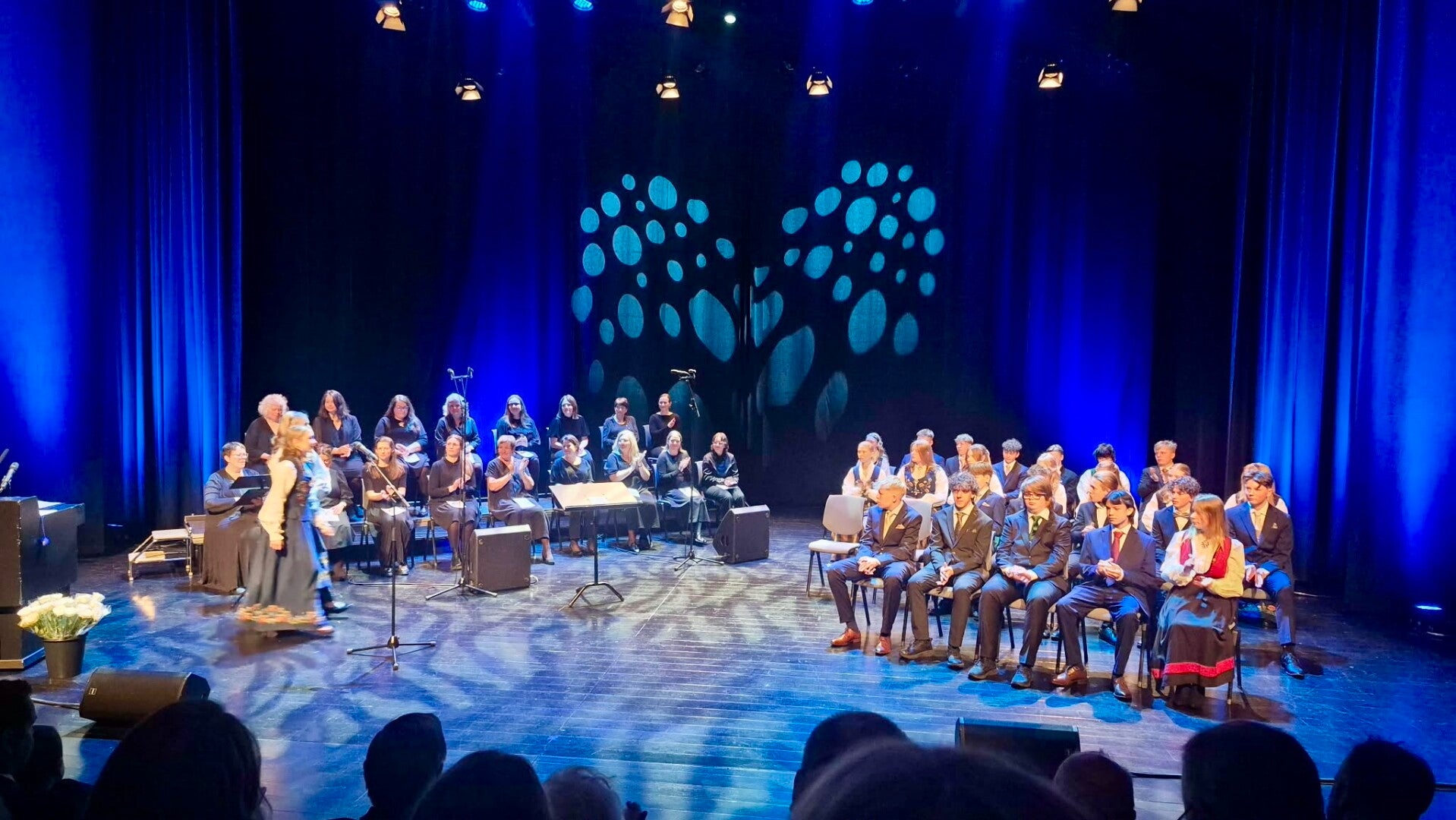
Photo: Mathia Pacenti / ©WanderNorway
A Personal Transition in a Historical Setting
Holding the celebration at Melbo Hovedgård added another layer of meaning. The house itself tells the story of Melbu’s transformation from a large farm into a regional industrial center between the late 1800s and early 1900s.
The main building dates back to around 1850 and was once considered the largest residence north of Trondheim. The interiors have been restored to reflect the period around 1900, when industrialist Christian Frederiksen played a key role in the region’s development. His vision made Melbu a distinctive place: not just a coastal village, but a laboratory of northern modernization. Fishing, industry, trade, infrastructure, and community life, contributed to a new local identity. The manor house was therefore not only an elegant residence, but the symbolic center of a transforming world.
These historical details are not secondary. Celebrating a confirmation in such a place situates a young person’s transition within a broader collective memory. A personal rite unfolds inside a building that itself embodies transformation. The parallel is striking: a young life entering a new phase inside a space shaped by historical change.
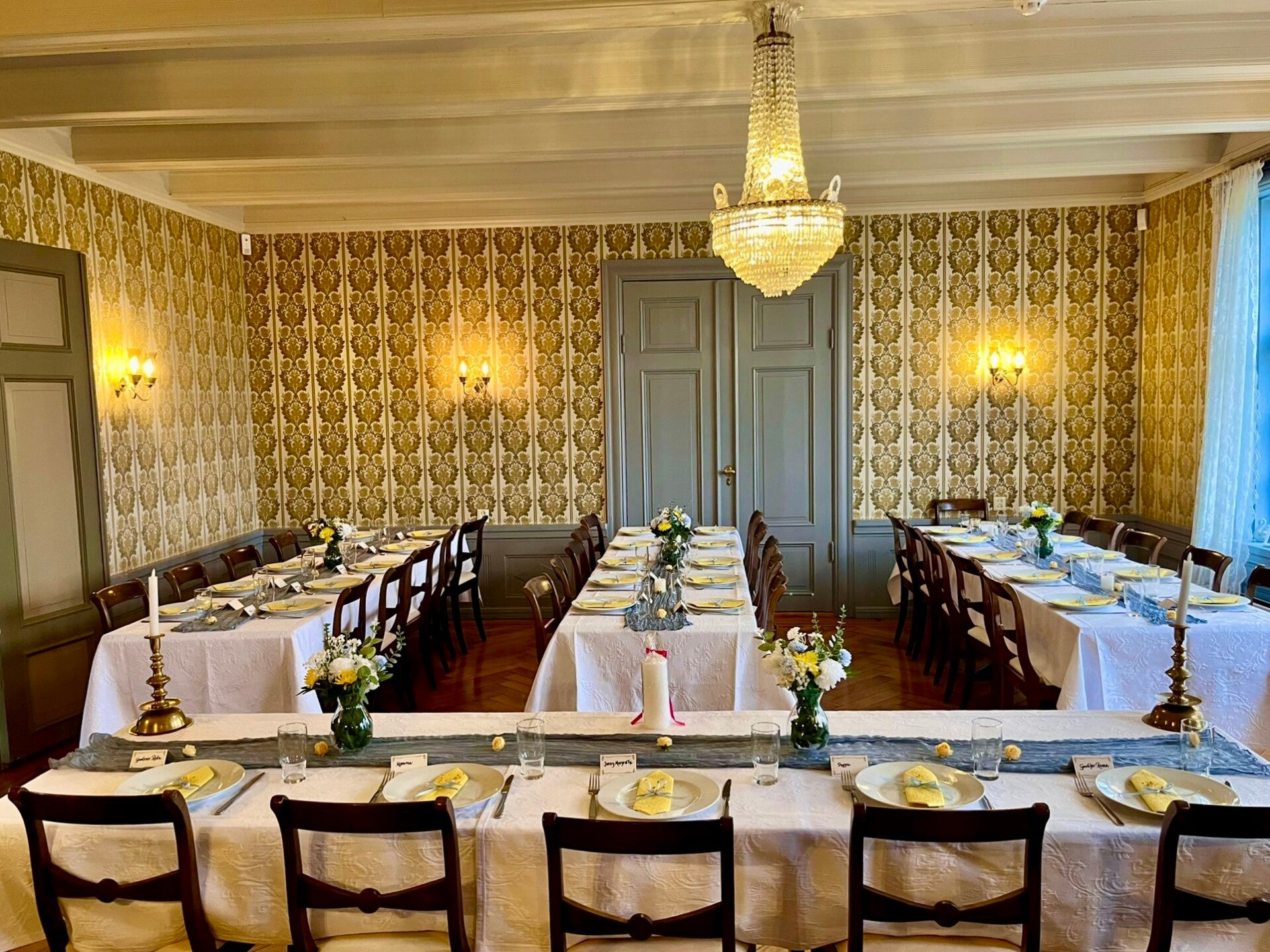
The celebration held in this context felt unusual. It did not seem like a modern party placed inside an old building. It felt more like a day in which the history of the place itself participated in the ritual. Food and drinks were carefully arranged. It was not simply a meal, but a form of hospitality. In Norway, where social life is often more restrained, the table allows the family to express what is not always said in direct gestures.
Food becomes language. Care in preparation, arrangement, service, and sharing communicates attention. The celebration does not need excess, because each element already carries meaning. This is a very nordic trait: beauty does not necessarily lie in visible abundance, but in composure. A well-set table, a historic room, a calm conversation, a timely toast can produce a more intense emotion than a loud celebration.
The Bunad: Wearing Memory
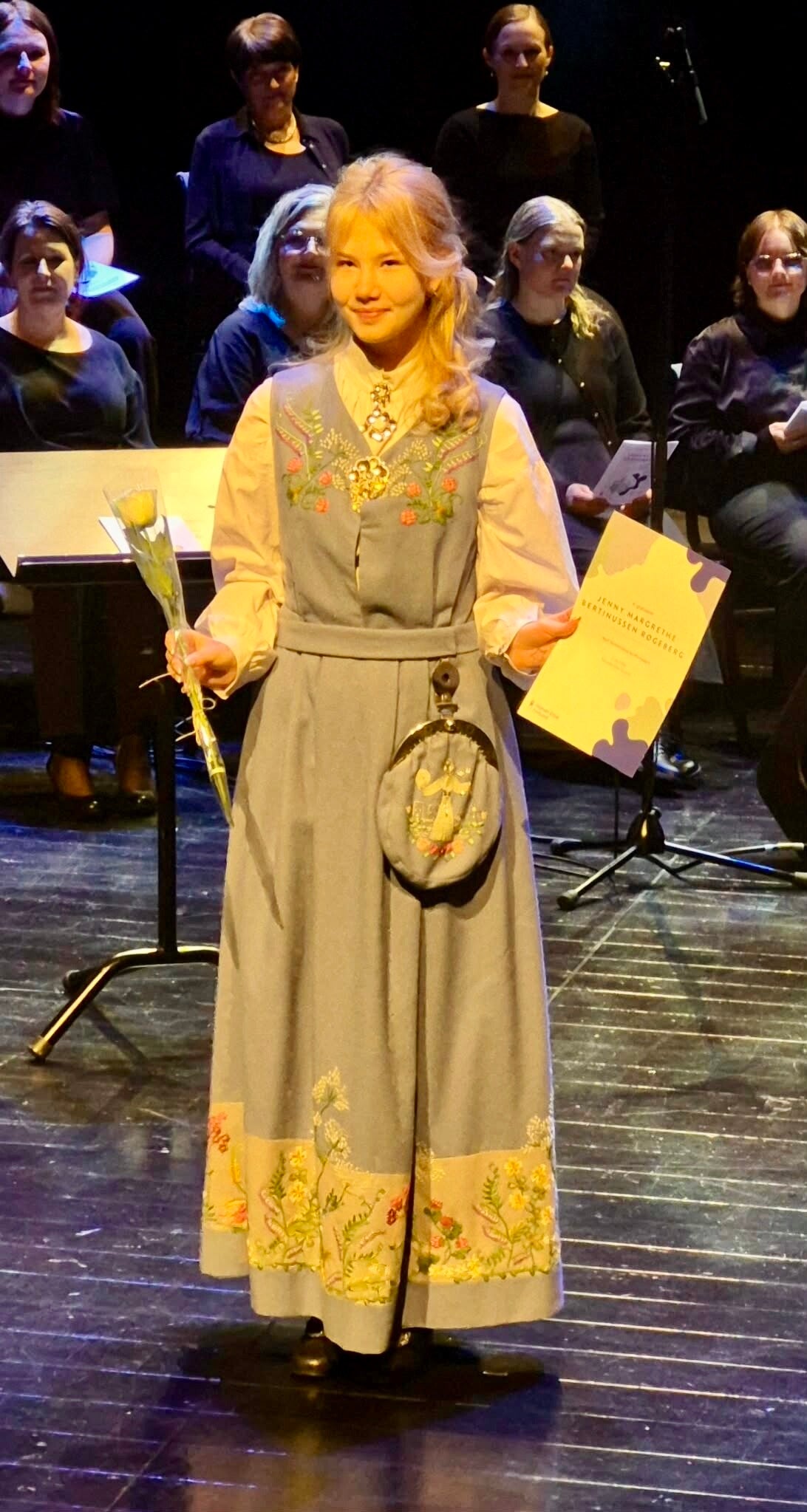
Alongside the ceremony and the celebration, what stayed with me most was the bunad, the traditional Norwegian costume. You see it at confirmations, weddings, and national holidays. It always feels deliberate. The embroidery, the silver details, the careful tailoring all speak of time and attention rather than fashion. And yet it isn’t frozen in the past. It moves between generations, gets adjusted, repaired, and reshaped so it can continue to be worn.
A bunad is rarely just bought and kept. It usually comes from within the family story. Sometimes it’s inherited and altered to fit, sometimes it’s gradually assembled over time, sometimes it’s rebuilt with new parts while keeping old ones. But it always carries traces of more than one life.
At a konfirmasjon, that becomes especially visible. The girl is stepping into a new stage of life, but she is also stepping into something that didn’t begin with her. The bunad she wears quietly connects her to the women in her family who came before her. Nothing about it feels decorative in a superficial sense. The fabric, the stitching, the silver all feel like a way of making continuity visible.
What I came to understand is that the bunad holds gestures: the hands that made it, the ones that repaired it, the ones that helped a daughter or granddaughter put it on before an important day.
Seen this way, it doesn’t feel like folklore kept at a distance. It feels like continuity made visible in everyday life. A reminder that not everything is meant to be replaced, and that sometimes what matters most is not what is new, but what is carefully carried forward.
Photos: Mathia Pacenti / ©WanderNorway
A Quiet Balance Between Past and Present
The day at Melbo Hovedgård revealed something essential about Norwegian society: a quiet ability to hold modern life and tradition together without tension.
The ceremony was secular, yet deeply meaningful. The setting was historical, yet felt entirely alive. The bunad belongs to the past, yet continues to exist in the present. Nothing seemed in conflict. Instead, each element supported the others. Secularism and ritual coexisted naturally, just as modern life remained closely tied to memory. The individual was celebrated, but always within the presence of family and community.
The past didn’t feel distant. It was present in the walls, in the clothing, in the table, and in the small, careful gestures of the day. The young girl wasn’t simply being celebrated but gently guided into a new stage of life.
Perhaps that is the most meaningful aspect of Norwegian konfirmasjon: a community pausing to recognize that growing up deserves attention, words, memory, and ritual.
In that 19th-century house, among restored wood, family speeches, carefully arranged food, and quiet elegance, memory didn’t feel fixed or distant. It felt like a quiet force moving from one generation to the next, not as a lesson imposed, but as something entrusted. Not a burden, but an inheritance.
In that almost unspoken passage, between a larger local history and a young life beginning to find its place, Norway revealed the ability to turn growth into ritual, family into community, and the past into something that continues to live and shape what comes next.