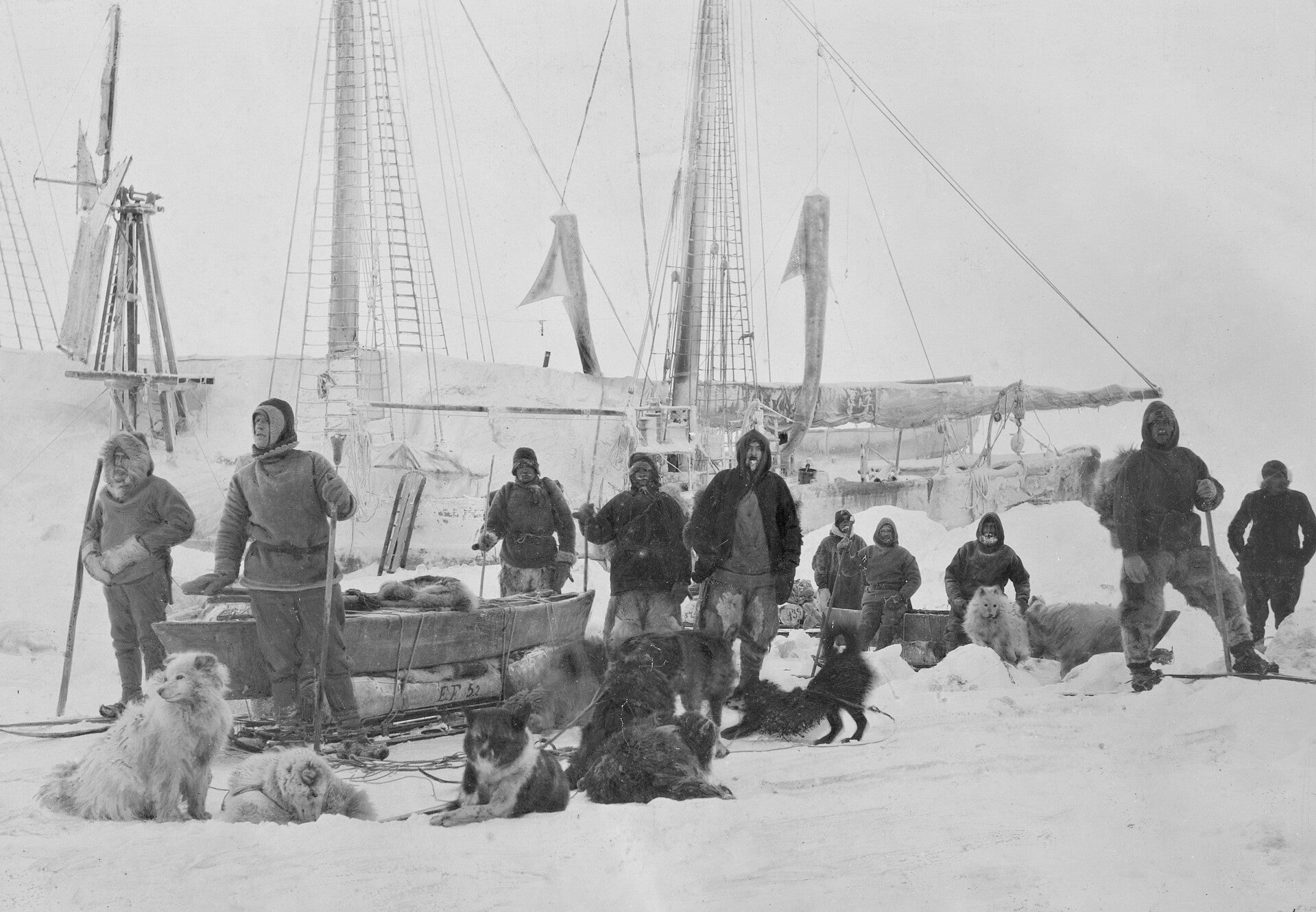
Every great discovery begins with a certain restlessness. It makes us curious about what we have yet to understand and draws us beyond familiar ground, to places where our certainties begin to fall away.
There is something deeply human about that urge to look beyond what we can already see. Over the centuries, it has led philosophers to ponder the mysteries of existence, scientists to investigate the laws of nature and explorers to set out for the remotest corners of the Earth. Behind these very different pursuits is the same desire to understand more of the world.
The unknown is where we come up against the limits of our understanding and have to decide whether to go any further. Every frontier holds the promise of a discovery. Crossing it may also change the way we look at the world, and at ourselves.
Courage means having a reason to keep going even when we are afraid. It takes a quiet resolve to trust a hunch while putting it to the test, and to stay with a plan when the odds are against us. Much of human progress can be traced to people who stood before an apparently impassable horizon and saw the beginnings of a journey.
Few frontiers have held quite the same fascination as the polar regions. Across immense, silent expanses of ice, darkness can last for months and the summer sun stays above the horizon. The ordinary rhythms of life change there, and you have to learn afresh what you can rely on.
Some explorers devoted their ingenuity and, sometimes, their lives to reaching these far ends of the Earth. They were drawn there by a question that has always been part of exploration. What lies beyond what we already know?
Norway has a remarkable place in that story. In Oslo, it takes tangible form in timber, iron, navigational instruments and the accounts of the people who set out into the ice. The Fram Museum is home to the Fram, a ship built to let the pack ice close around her and use its immense force to carry her into uncharted waters.
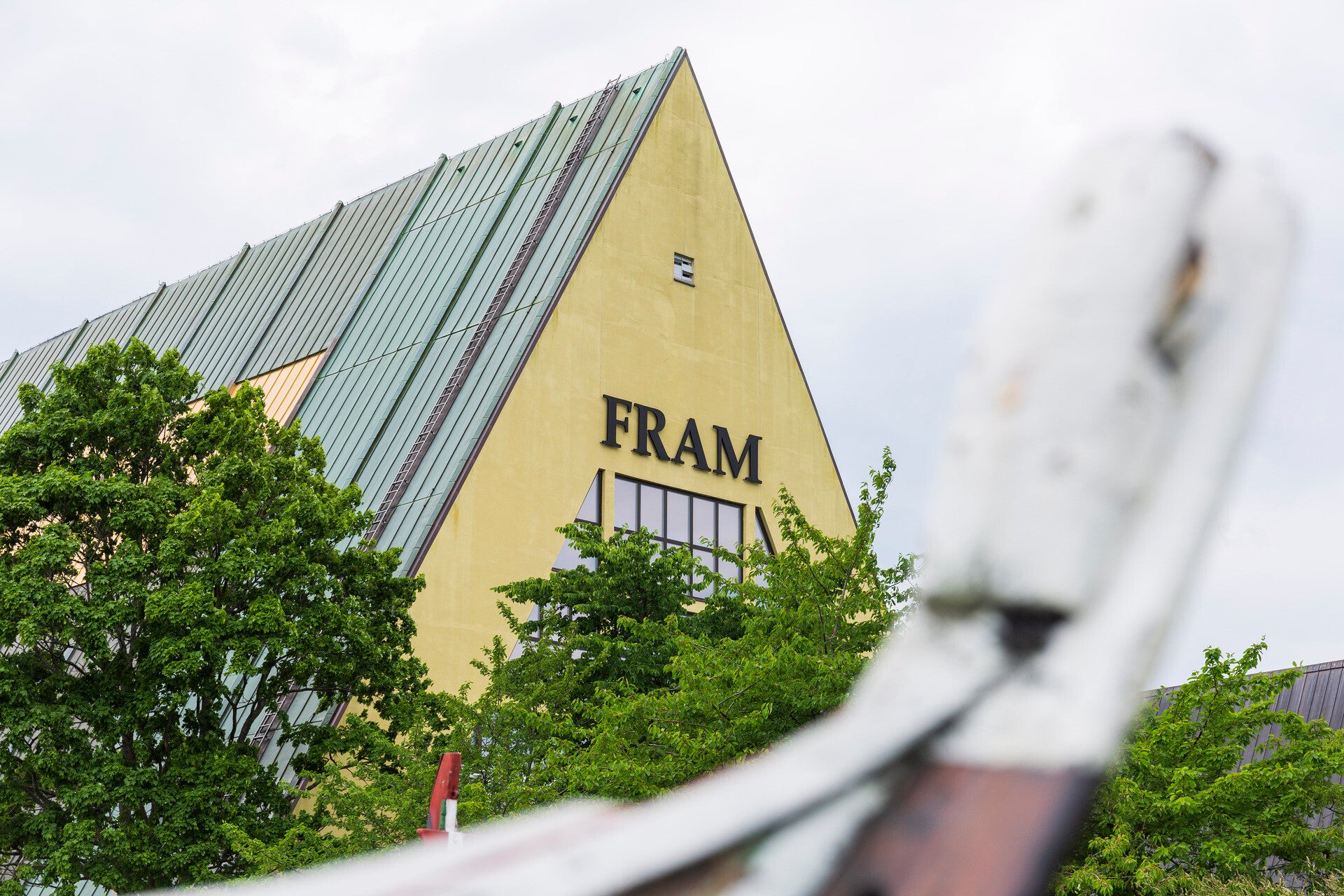
Photo: Didrick Stenersen / VisitOSLO
On the Bygdøy peninsula, overlooking the Oslofjord, the Fram Museum preserves an important part of Norway’s maritime and scientific heritage. King Haakon VII and Crown Prince Olav attended its opening on 20 May 1936. The museum was established to preserve the Fram, the ship that made possible some of the boldest polar expeditions of the late nineteenth and early twentieth centuries.
It now houses two original ships, the Fram and the Gjøa, in large halls linked by an underground passage. The Fram dominates the main hall. With her great wooden hull, masts, rigging and deck fittings, she looks as though she could sail again at any moment.
Walkways around the ship let you take in her size and study how she was built. Photographs, charts, scientific instruments and original documents tell the story of the voyages, while personal accounts give a sense of the people who made them. You can also go aboard both ships and see the spaces where the crews ate, slept and worked. The distances they travelled are impressive on a map. The scale of their undertaking feels different once you see how closely they lived together.
The Fram was built in 1892 at Colin Archer’s shipyard in Larvik. Fridtjof Nansen, the Norwegian scientist and explorer who commissioned her, was looking for a way around a problem that had plagued Arctic sailors for centuries. When the sea froze, masses of pack ice could close around a ship and crush even the sturdiest hull.
Nansen’s plan called for an exceptionally strong hull with rounded sides. When the ice closed in, the sideways pressure would lift the ship upwards and ease the strain on the hull. Being trapped in the pack, once a danger to avoid at all costs, became part of the plan. The crew could let the ship freeze into the ice and travel wherever it drifted.
The design opened up a new way to study the Arctic Ocean and its geography. The Fram went on to serve on three major polar expeditions, led in turn by Fridtjof Nansen, Otto Sverdrup and Roald Amundsen.
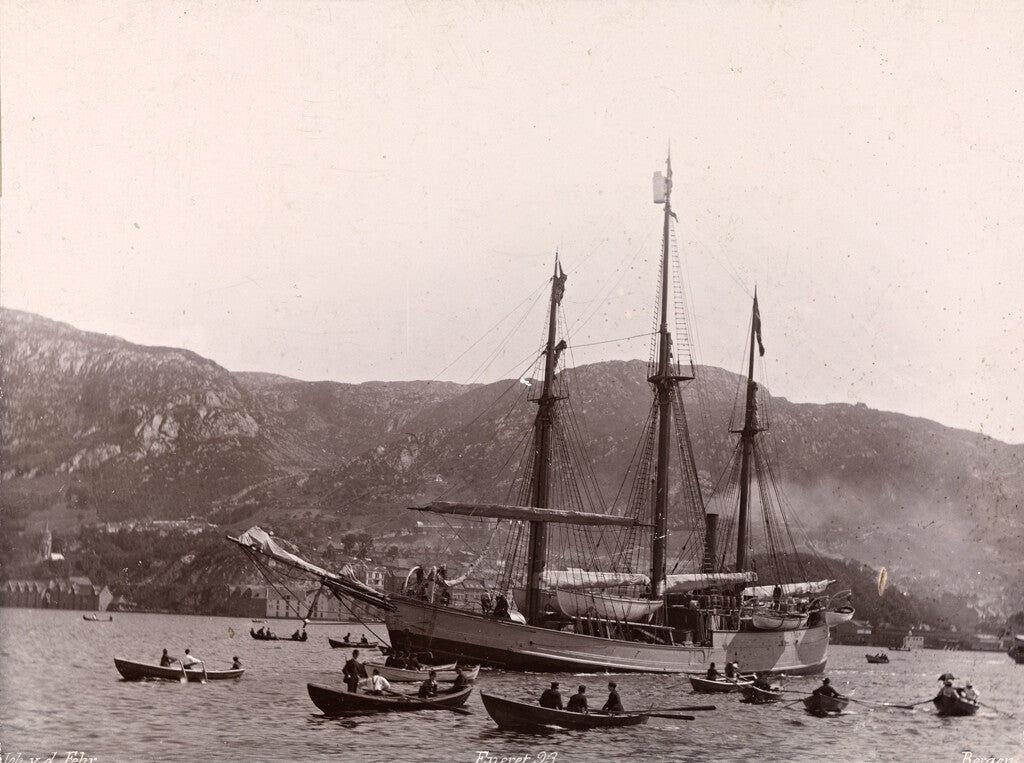
When the Fram set out in 1893, Nansen wanted to test a theory that many people doubted. Debris from a ship wrecked far to the east had washed up on the coast of Greenland. To him, it was a sign that ocean currents could carry objects across the Arctic. He planned to let the Fram freeze into the pack and see where the slow drift took her.
The expedition lasted three years, from 1893 to 1896. The crew endured bitter winters and prolonged isolation while continuing to make observations of the weather, the ocean and the regions they passed through.
By March 1895, Nansen could see that the drifting ice would carry the ship too far from the North Pole. He and Hjalmar Johansen left the Fram and set out with dog sledges. Before turning back, they reached a latitude farther north than any expedition on record at the time.
The Fram continued to drift under Otto Sverdrup’s command, finally breaking free of the ice in August 1896. The voyage greatly improved understanding of the Arctic Ocean. It also showed that a ship built to withstand the pressure of the pack could serve as a base for scientific research even while frozen into the ice.

The Fram returned to the Arctic between 1898 and 1902 under Sverdrup, already an experienced navigator and a central figure in the first expedition. This time, the crew sailed to the Canadian Arctic Archipelago, west of Greenland. They charted vast areas that had been poorly mapped and gathered extensive information about the region’s geography, geology and natural history.
Four years in the Arctic meant organising almost every aspect of life on board. The men relied on discipline and cooperation, and had to manage their supplies carefully enough to see them through several winters.
The Fram was altered over the course of her three voyages. The museum displays her largely as she was fitted out for Sverdrup’s expedition. Her layout gives a good sense of what a crew needed to live and work in the Arctic for years at a time.
The Fram’s third great voyage took her from the far north to Antarctic waters. Roald Amundsen had originally planned an expedition to the North Pole. By the time he set sail in 1910, he had set his sights on the South Pole. The Fram carried the men, equipment and supplies to Antarctica, where they established the base for the journey to the Pole.
On 14 December 1911, Amundsen, Olav Bjaaland, Helmer Hanssen, Sverre Hassel and Oscar Wisting became the first people to reach the geographic South Pole. Their journey remains one of the defining episodes of the Heroic Age of Antarctic Exploration, often told alongside the story of the British expedition led by Robert Falcon Scott.
Planning the journey was an undertaking in itself. The men knew how to travel on skis and handle sled dogs, chose their equipment with care and kept a close eye on the weather. The Fram made it possible to get everyone and everything they needed to Antarctica. Standing aboard her today, you can begin to grasp how far this one wooden ship travelled, carrying Norwegian explorers into both polar regions.
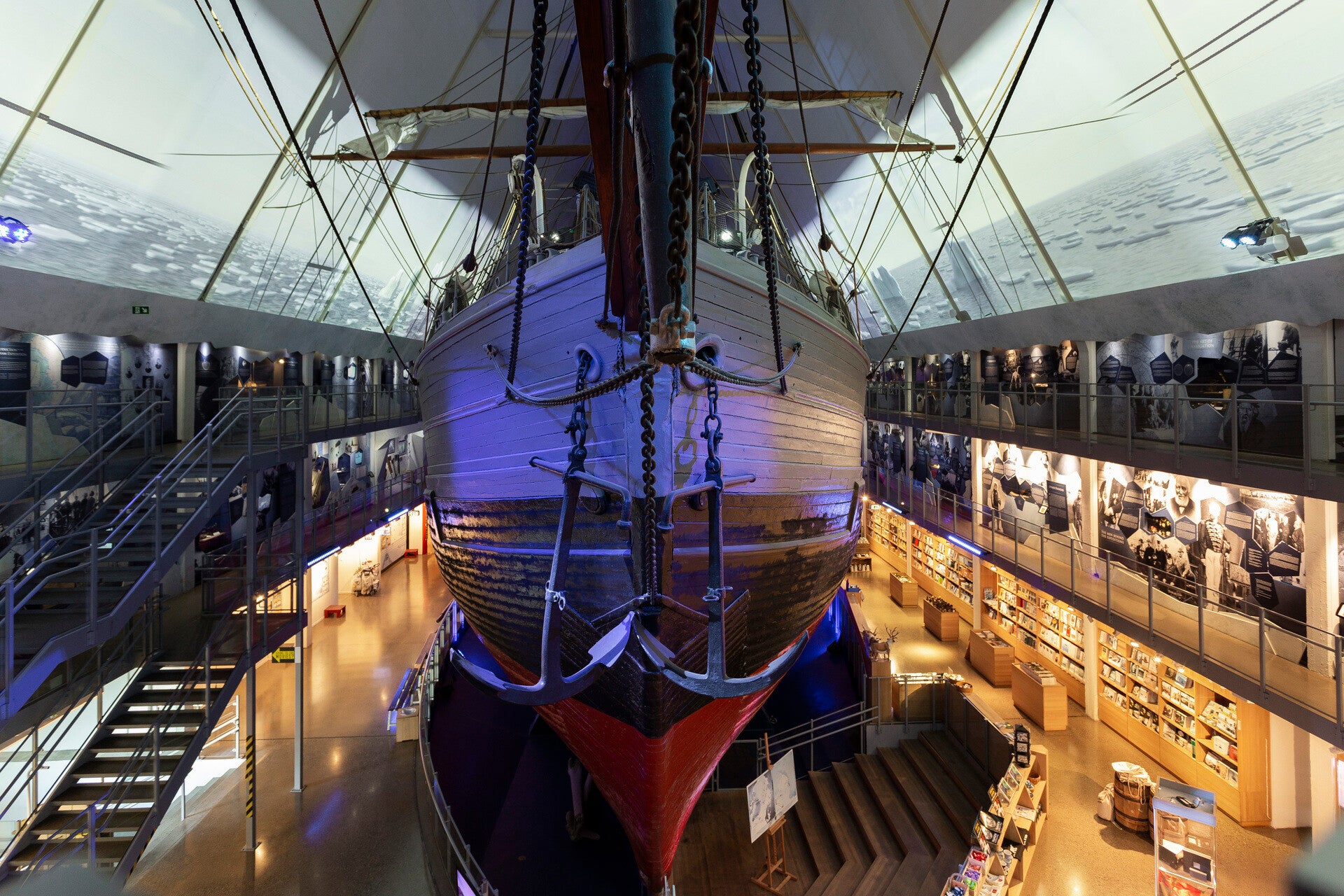
Photo: Didrick Stenersen / VisitOSLO
Step aboard the Fram and go below deck, where you can see the cabins, communal rooms, galley, storerooms, hold and engine room. The furnishings, equipment and ordinary possessions give a sense of life at sea and in the ice. The tiny cabins make it particularly easy to picture the strain of living in such close quarters for months at a time.
During the long polar nights, scientific work, ship maintenance and preparing meals gave structure to the day. Reading and time spent together helped keep up morale. The museum also looks at illness, tensions between crew members and the personal toll of prolonged isolation.
One cabin belonged to Oscar Wisting, who reached the South Pole with Amundsen. In his later years, Wisting helped preserve the Fram. He died in his old cabin in December 1936, while work at the museum was still under way.
A 270-degree projection surrounds the Fram with the sights and sounds of a polar voyage. Against the backdrop of storms and great expanses of ice, the wooden ship gives you a sense of scale. It is easier to picture what the crew faced when they looked out from her deck.
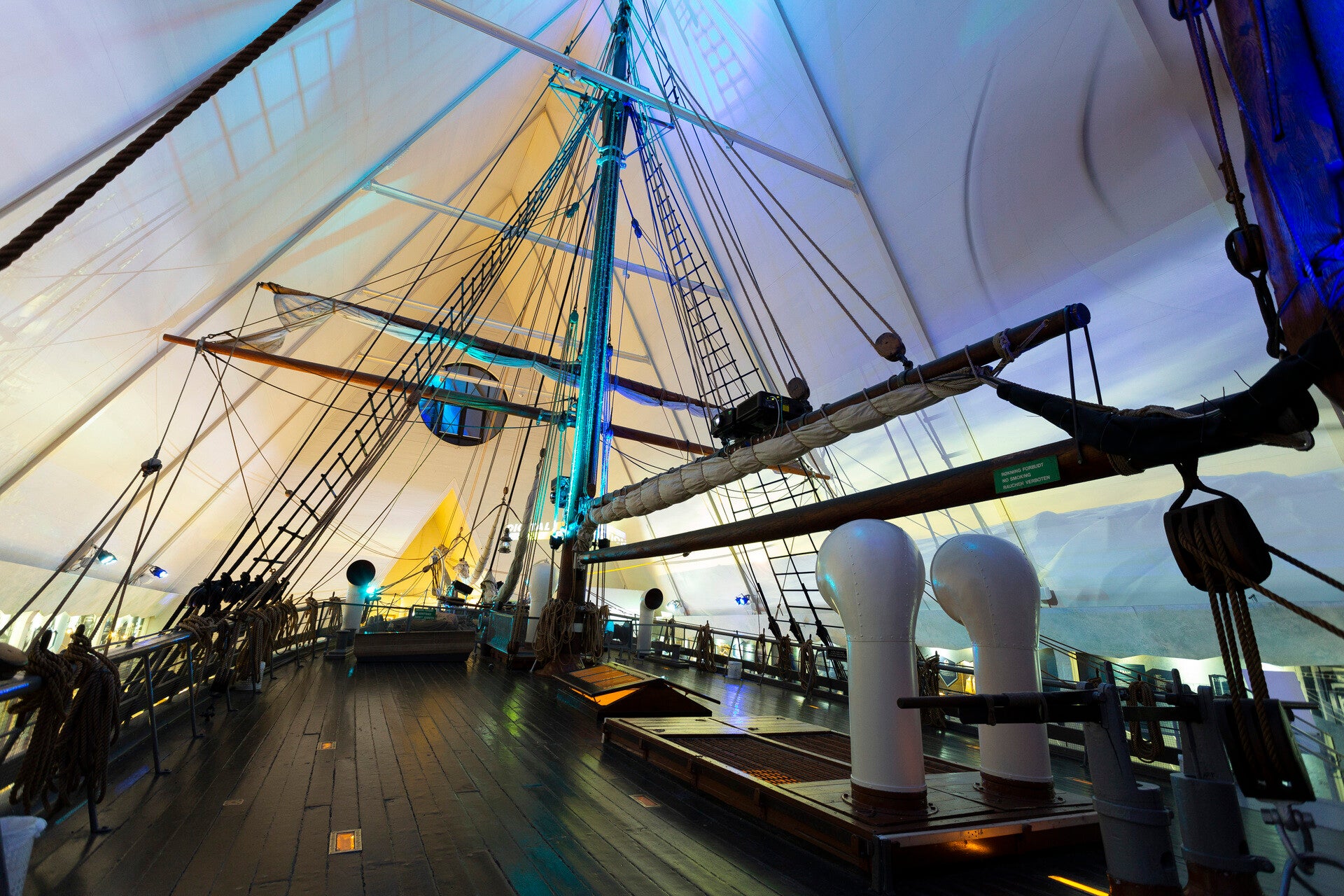
Photo: Didrick Stenersen / VisitOSLO
In the second hall, reached through the underground passage, stands the Gjøa. This relatively small ship carried Roald Amundsen and six companions on the first complete navigation of the Northwest Passage between 1903 and 1906. The route threads through the islands of the Canadian Arctic, linking the Atlantic and Pacific oceans.
For centuries, European navigators had searched for the passage in the hope of opening a northern trade route to Asia. Many expeditions ran into forbidding conditions, often at a heavy cost in lives.
Amundsen chose a ship suited to Arctic waters, planned meticulously and adapted as conditions changed. During an extended stay in northern Canada, he learned techniques for travelling and surviving in the Arctic from Inuit communities.
The Gjøa spent the years from 1906 to 1972 in San Francisco, where she was displayed in Golden Gate Park, before returning to Norway. After years outdoors, exposed to the weather, she gained a purpose-built home in 2013. Extensive restoration was completed in 2017, and the ship opened to visitors.
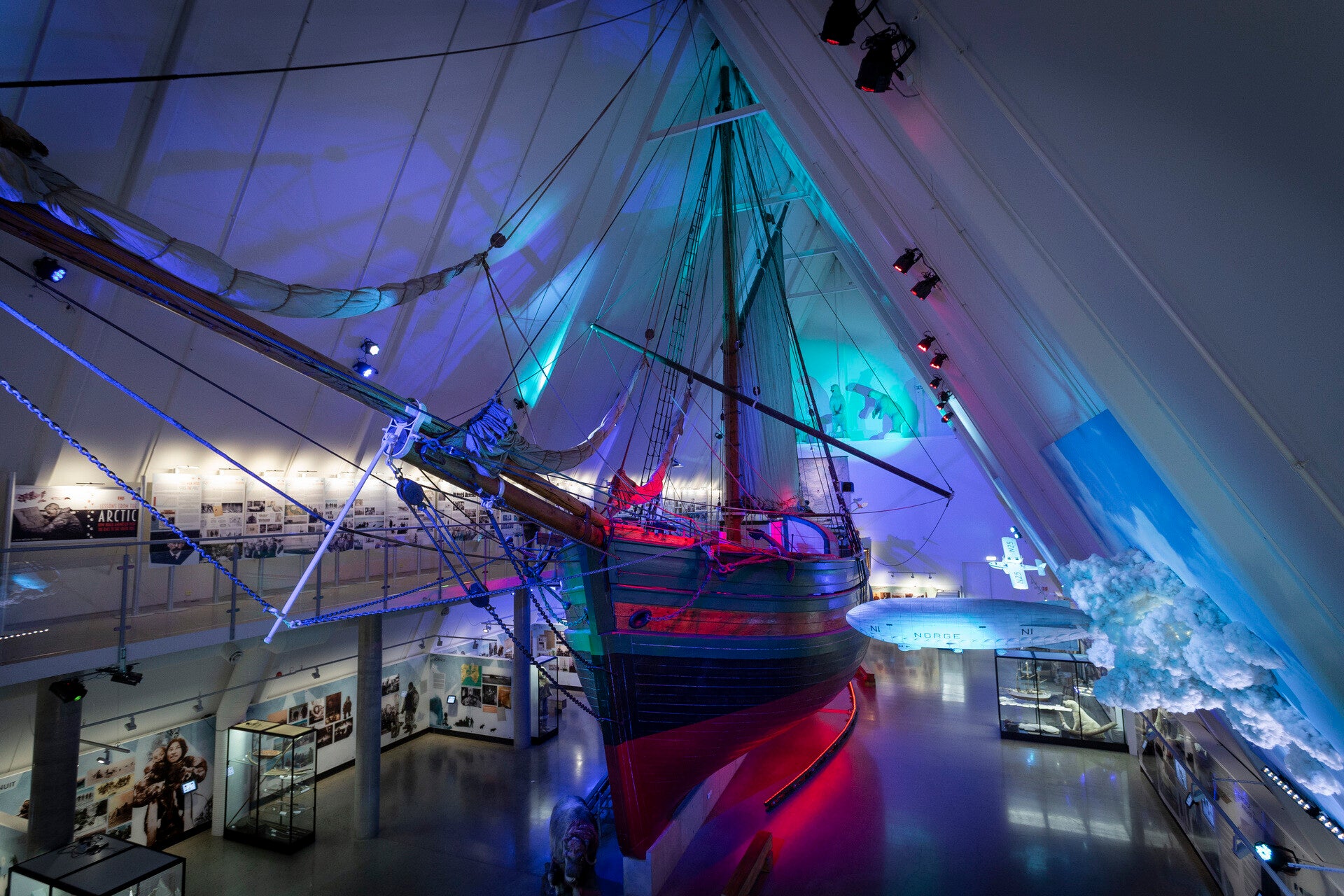
Photo: Didrick Stenersen / VisitOSLO
After reaching the South Pole, Amundsen turned his attention back to the Arctic. Aviation gave him a new way to try for the North Pole. In 1925, he set off from Svalbard with two Dornier Wal flying boats, N24 and N25.
When the aircraft came down in the pack ice, one was put out of action. The six men spent weeks preparing a runway on the ice. It took all of them working together to get the one remaining aircraft back into the air.
In 1926, Amundsen joined Umberto Nobile and Lincoln Ellsworth aboard the airship Norge for the first verified flight over the North Pole, travelling from Svalbard to Alaska. The voyage features in the museum’s displays, and in 2026 the museum marked its centenary with a temporary exhibition about the flight.
The permanent exhibits cover nearly a hundred Arctic expeditions over five centuries. Along with the voyages of Nansen, Sverdrup and Amundsen, they tell the stories of explorers such as John Franklin and Ernest Shackleton. Other displays cover the Maud, the Norge and the early years of polar aviation.
One exhibit centres on the Quest, Shackleton’s last expedition ship, aboard which he died in 1922. Following the discovery of the wreck in 2024, the museum created a reconstruction of the bridge incorporating the ship’s original helm.
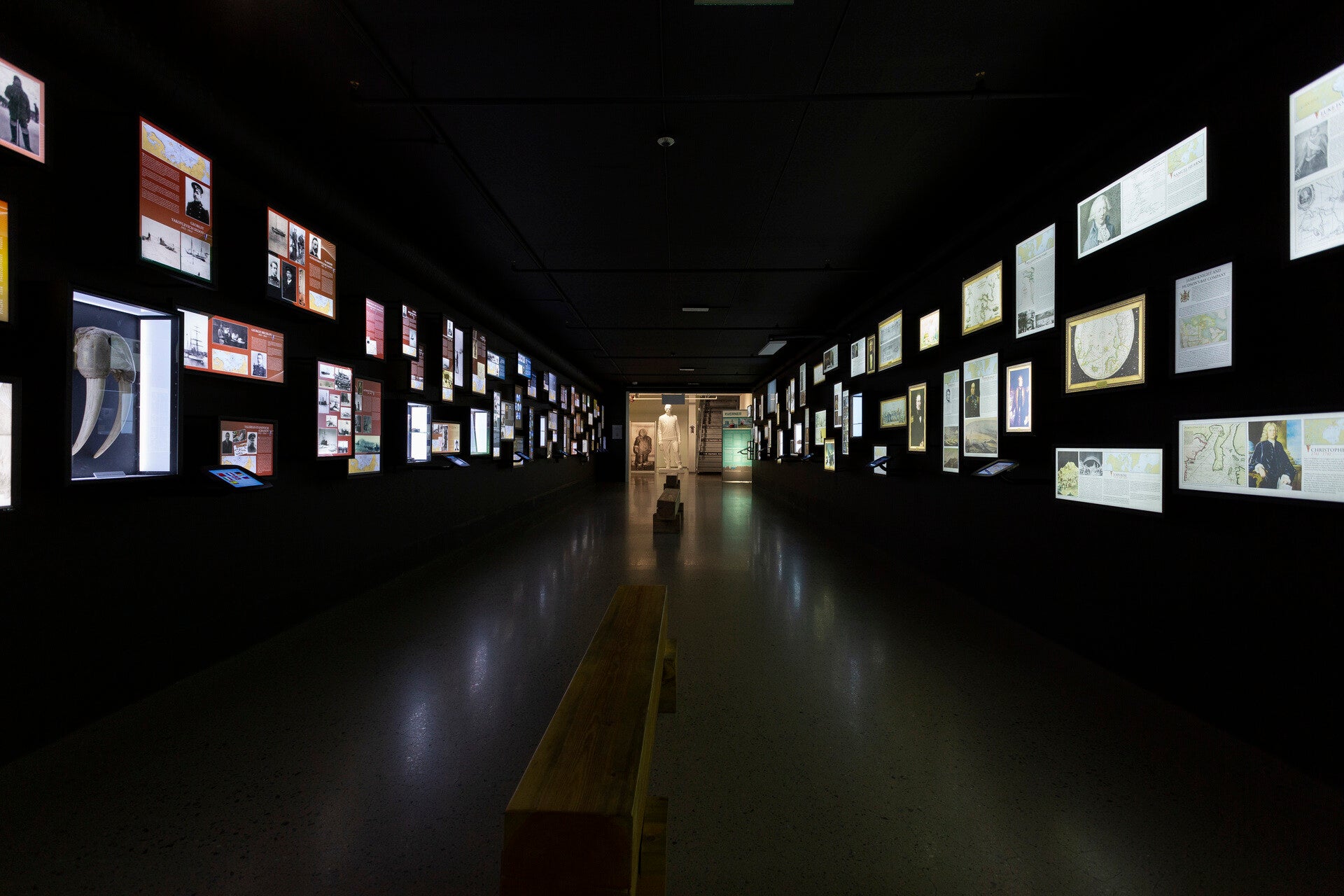
Photo: Didrick Stenersen / VisitOSLO
Fridtjof Nansen’s photographs have their own display. They are a record of the expeditions and an early example of how cameras were used in science and travel. A photograph could document the ice and weather, record a stretch of coastline or capture an ordinary moment aboard ship. Alongside the diaries and instruments, these images let you see the Arctic through the eyes of the people who travelled there. They also show how much of what we know about the polar regions was pieced together, observation by observation, at sea, on charts and in photographs.
Few figures in the museum’s story led as varied a life as Fridtjof Nansen. The scientist, oceanographer and explorer went on to become a diplomat and tackle some of the early twentieth century’s most urgent humanitarian crises.
He worked on behalf of prisoners of war, helped protect refugees and organised relief for people living with the consequences of the First World War. He received the Nobel Peace Prize for his humanitarian work in 1922.
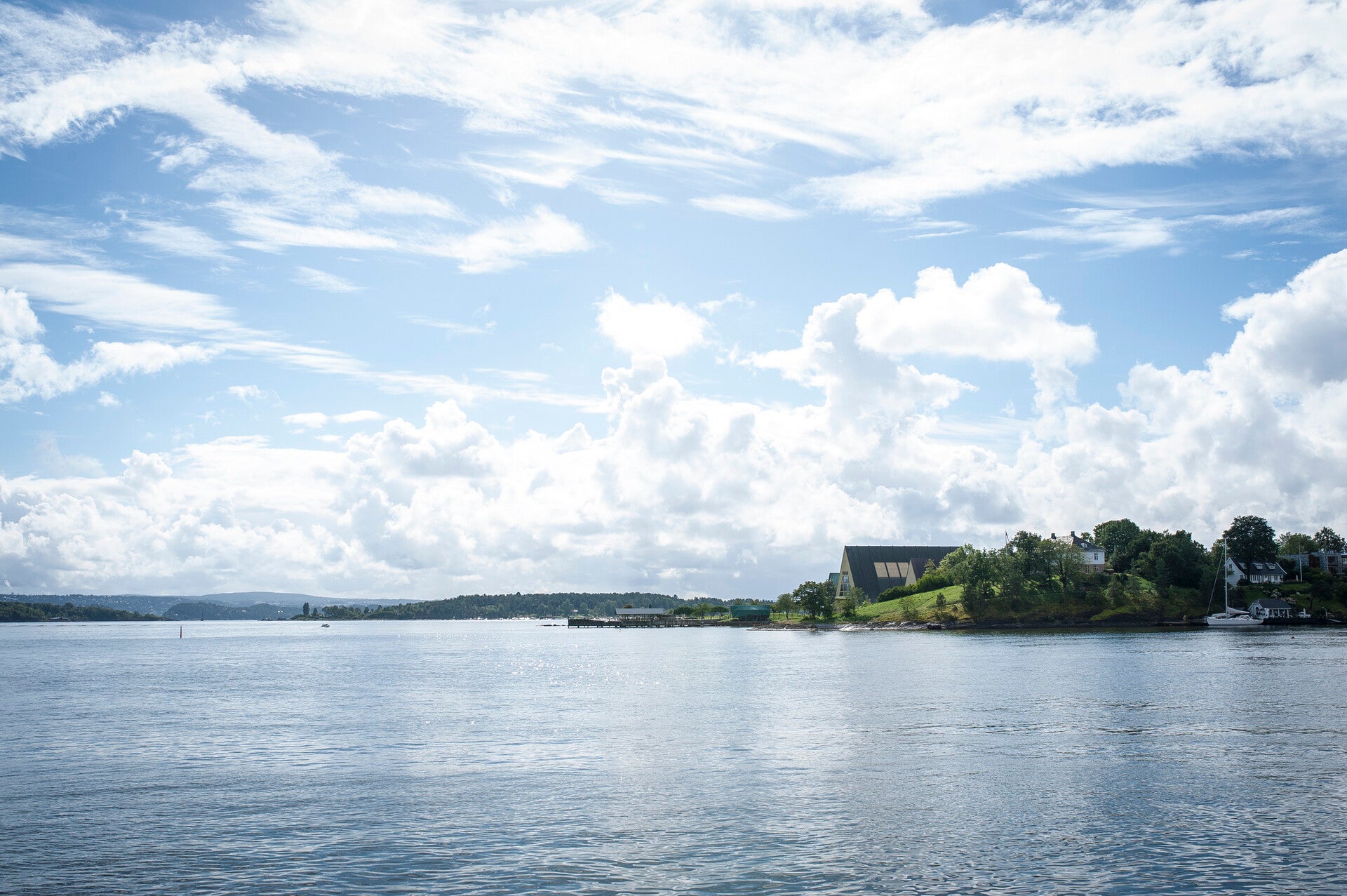
Photo: Thomas Johannessen / VisitOSLO
Bygdøy is a good place to spend time if you are interested in Norway’s maritime history. Allow at least two hours to see both ships and the main exhibitions at a comfortable pace. If you are particularly interested in polar history or photography, you could easily stay longer.
Two other museums are close by. The Kon-Tiki Museum tells the story of Thor Heyerdahl’s expeditions, and the Norwegian Maritime Museum explores the country’s seafaring heritage. You can easily combine the three in one visit to the peninsula.
A visit to the Fram Museum stays with you. Looking at the ships that survived the ice, the storms and the passage of time, you get a sense of what an idea can become when people are prepared to devote their lives to it.
Nansen could only guess where the drifting ice would carry his ship. Sverdrup set out to chart coastlines his crew had yet to see. Amundsen aimed for a point that had eluded explorers for generations. Each had to find a way to live with uncertainty and turn it into a chance to learn.
The Fram still tells their story. Getting as far as they did took intuition, careful preparation and a willingness to face whatever lay ahead. A horizon can look like a boundary from a distance. The closer you get, the more you can see of what lies beyond it.
Perhaps that change in how we see is the most lasting discovery of all. What looked like the end of the map yesterday may be where the next journey begins.