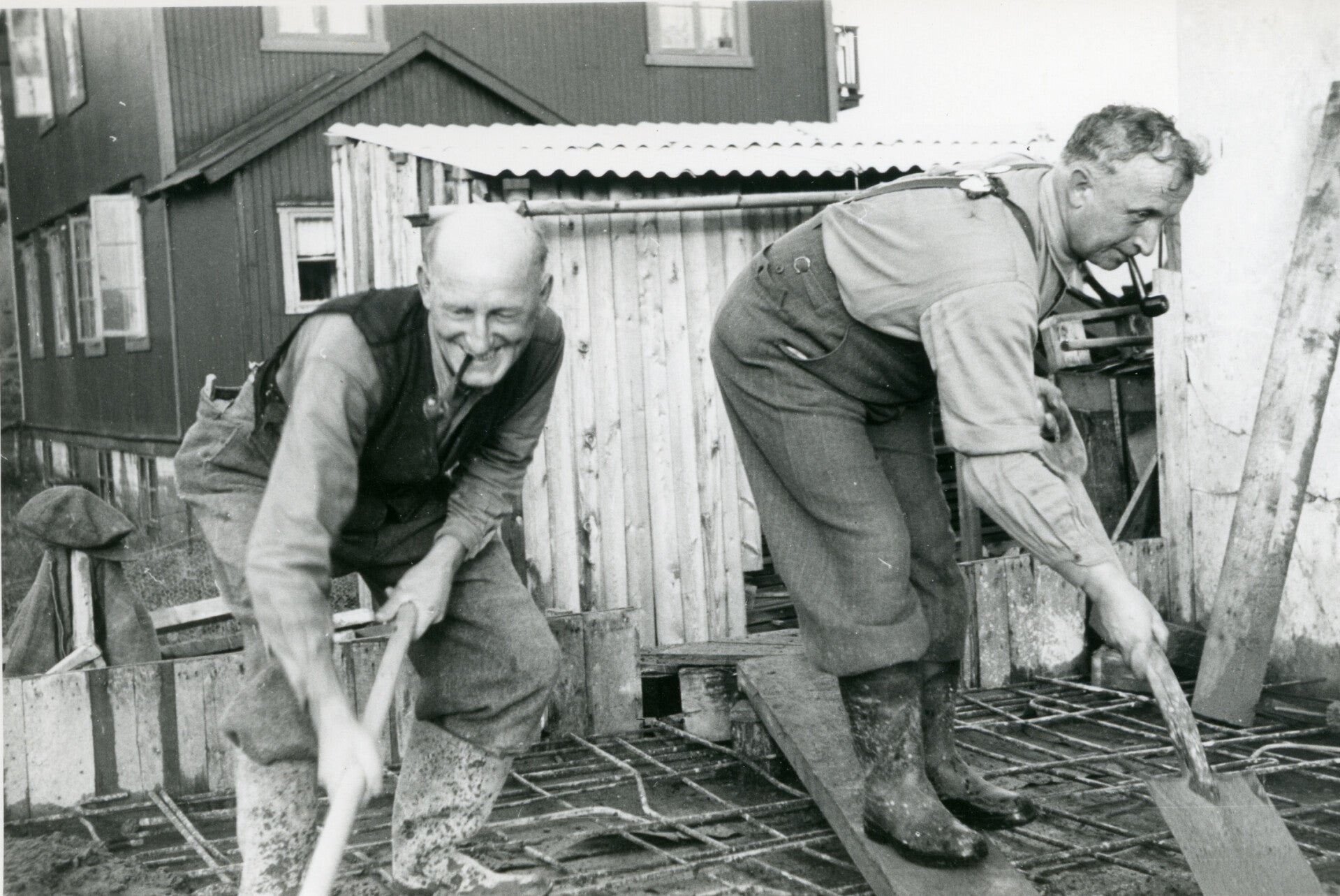
Photo: Halvor Ribe / Museum Nord
Some encounters do not begin with grand occasions or carefully arranged introductions. They begin quietly, with a familiar face, a conversation over coffee, a reader who follows what you write and pauses to tell you that something in your words felt true.
That is how I came to know Bjørg. At first, she was simply one of the readers of my blog about Norway. Over time, she became much more than that. She became one of those rare readers who engage not only with the words on the page but with the intentions behind them. She reads attentively, comments generously, and often stops to talk with me about the places I try, in my own way, to understand and describe.
What has always struck me about Bjørg is her ability to notice what others might overlook. She listens for the feeling beneath a story, for the atmosphere of a place, for the details that reveal something deeper about how people live. She understands that a town is never merely a collection of buildings, nor a landscape simply a view. Both are shaped by memory, by relationships, and by the countless small acts of care that accumulate over time. There is in her a profound attentiveness toward Melbu, toward its history, its people, and the everyday gestures that quietly sustain community life.
And Bjørg is not alone in that. Her husband, Alf, shares the same spirit. He too has become one of the readers to my stories about Norway, and one of those people whose presence has given those stories a deeper meaning. Conversations with them rarely feel like ordinary conversations. There is curiosity, openness, and something rarer still: a genuine belief that places matter and that the stories attached to them are worth preserving.
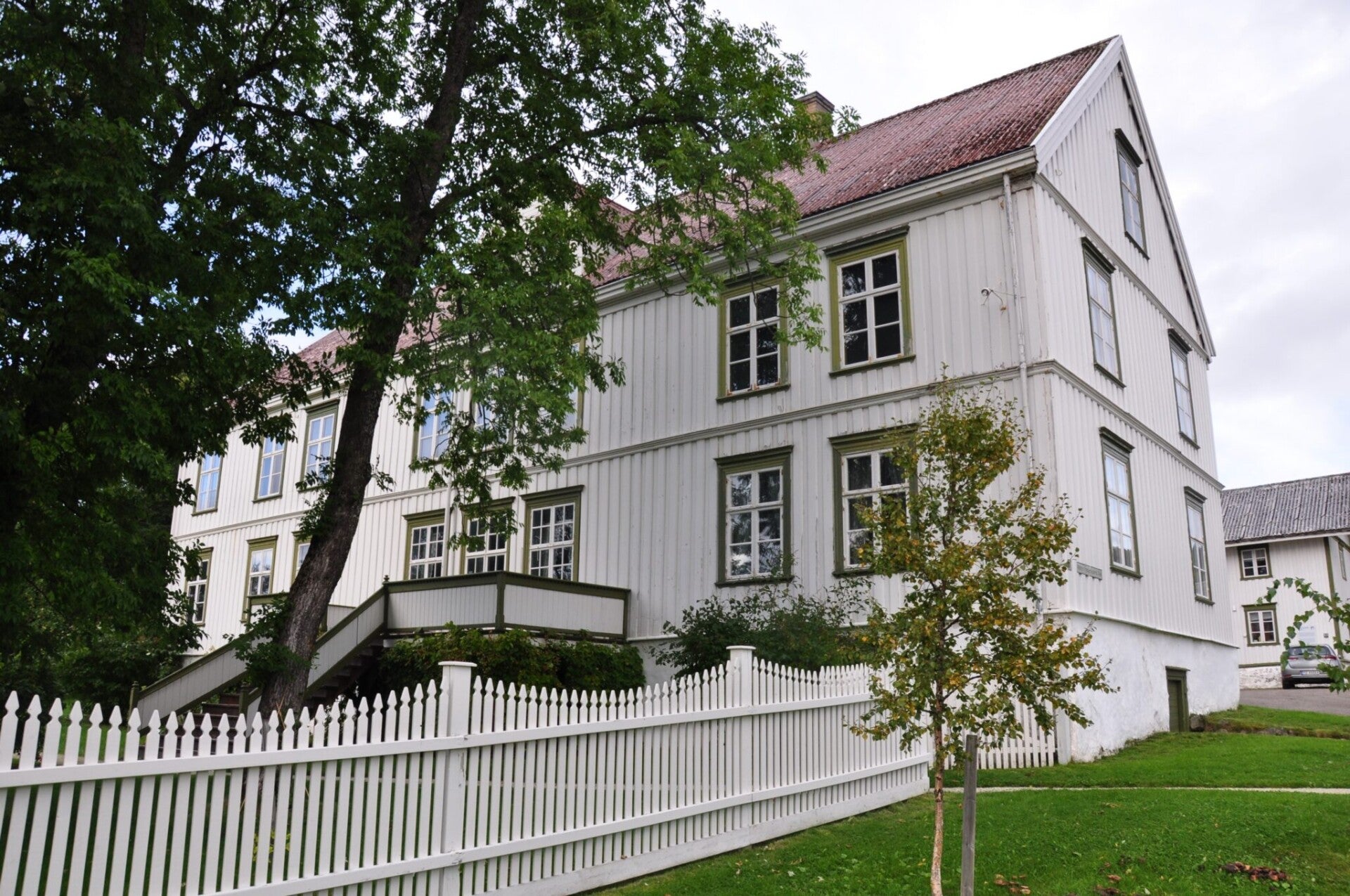
Photo: www.melbohovedgard.no
I write about a country that is not the one where I was born, but one I have gradually learned to love. Bjørg and Alf belong to this place naturally and completely. Their roots run deep here. Yet whenever we talk, it often feels as though that distinction disappears. Through writing, friendship, and shared affection for a place, a small bridge forms between worlds.
I felt that especially after writing about the old manor house in Melbu and Jenny's konfirmasjon, the confirmation of my Norwegian partner's daughter. I had tried to describe more than a family celebration. I wanted to capture a world: the quiet dignity of the ceremony, the gathering of generations, the beauty of the bunad, and the manor house itself as a place where memory still lingers in the walls.
To understand Bjørg and Alf, however, it helps to understand one very Norwegian word: dugnad.
The word is often translated as voluntary work for the benefit of the community. Yet the translation feels incomplete. Dugnad is not simply volunteering. It is belonging made visible.
It is flowers planted in public spaces. A fence repaired. An event prepared. A building maintained.
A practical task transformed into an act of care.
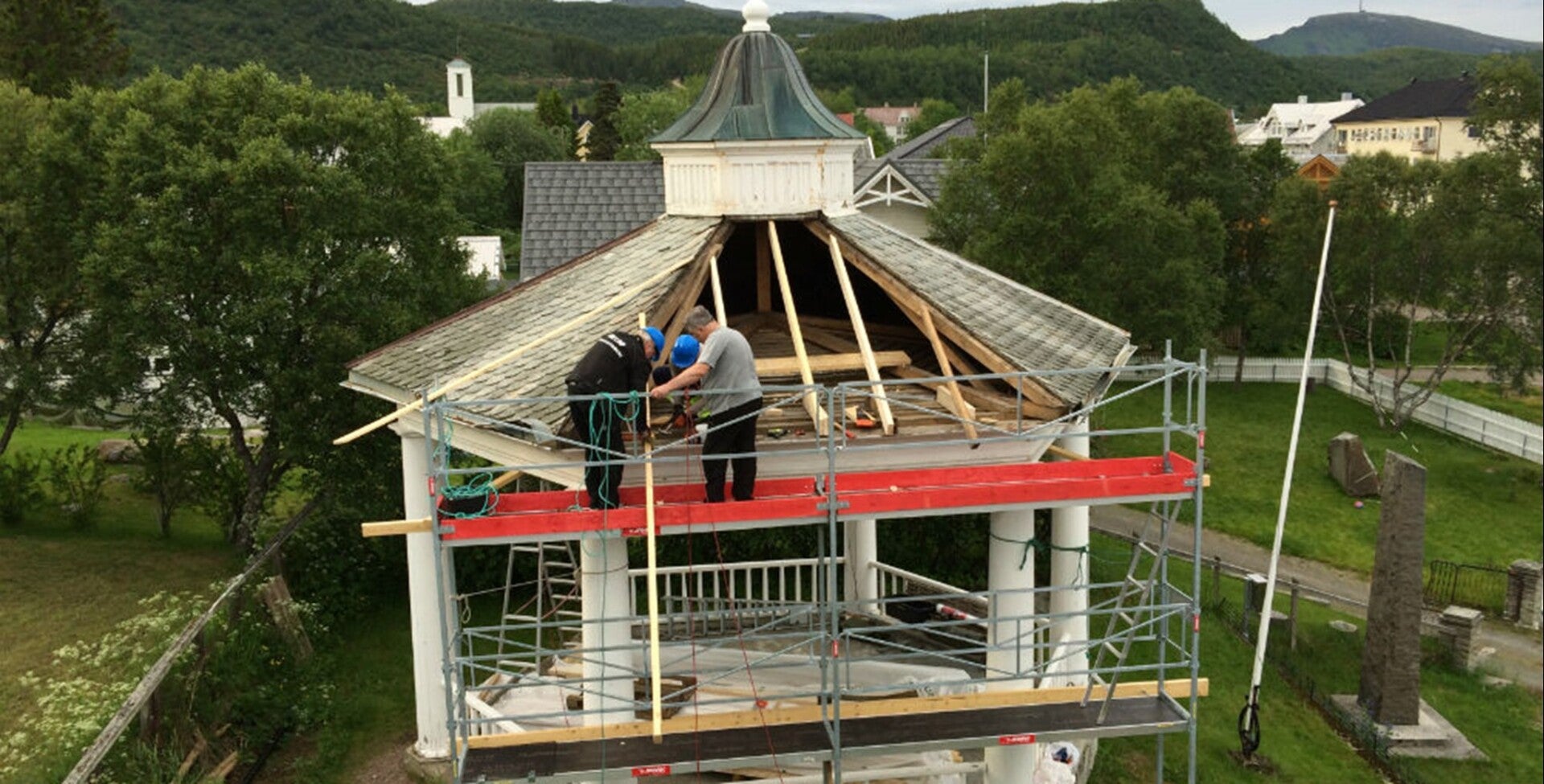
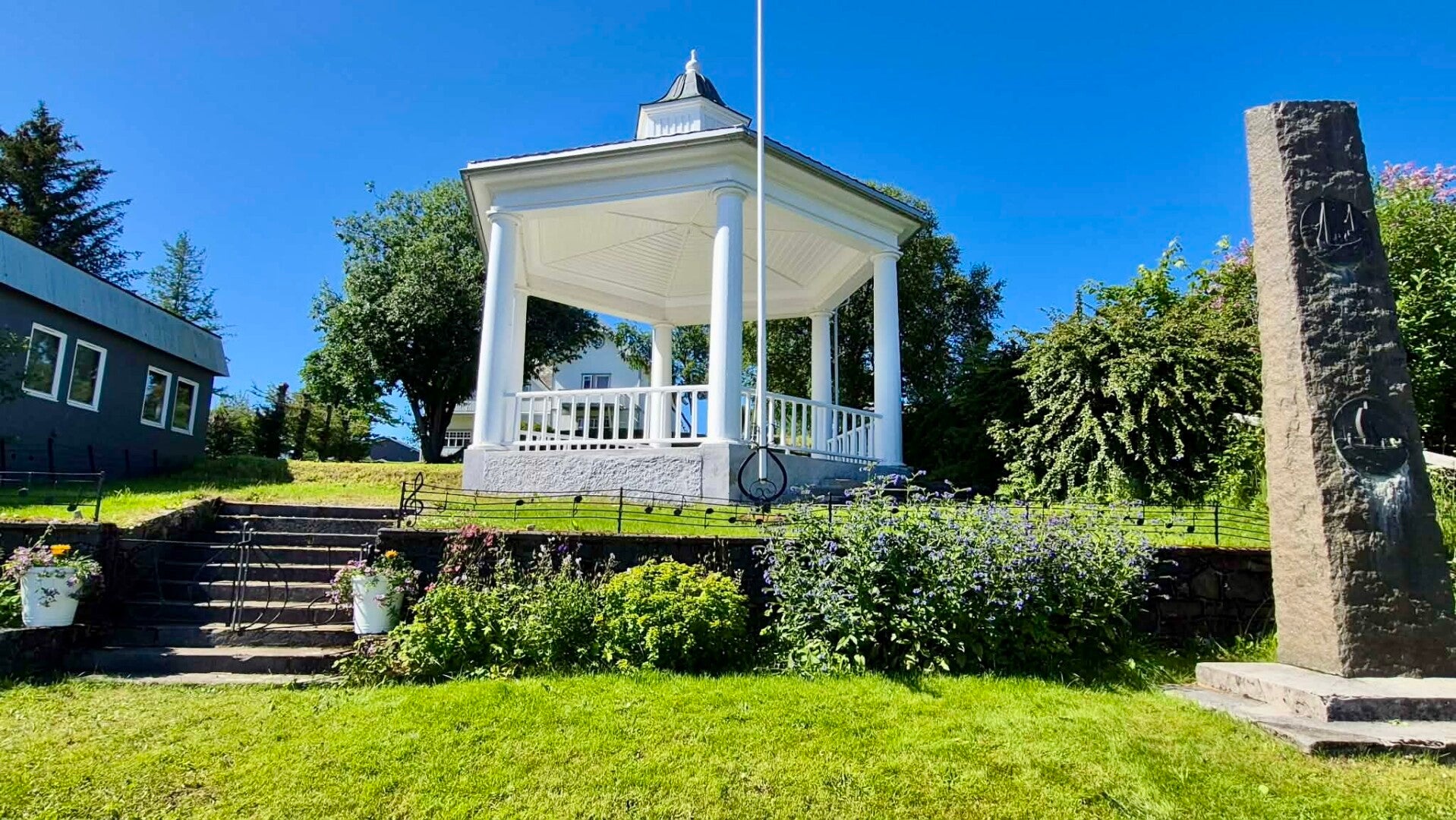
Photo: www.fortidminneforeningen.no Photo: Mathia Pacenti / ©WanderNorway
In Melbu, that spirit can be seen everywhere. Yet it would be wrong to imagine that Bjørg and Alf stand alone. What they represent is part of something much larger. In Melbu, it is actually quite common for people to contribute a great deal of voluntary work for the benefit of the community. For a long time, local residents have been working on the new grandstand at the football field. Soon, the Torggruppa will once again begin planting flowers, and during SommerMelbu, the town’s summer festival, many people volunteer their time to help make the festival possible.
There is a deeply rooted understanding here that if something is worth having, if it will make the community a better place, then people must be willing to take responsibility for it themselves and encourage others to join when needed. That spirit of initiative has become part of Melbu's identity.
And the benefits extend beyond the practical results. Voluntary work creates a sense of belonging, well-being, and shared purpose. People are not simply improving buildings, streets, or events. They are strengthening the connections between one another.
A particularly striking example was the construction of the community centre, a project that continued over several years and depended heavily on voluntary effort. So many people contributed their time that the building became a symbol of collective commitment. Bjørg recalls that the local doctor at the time once remarked that although she had no statistics to prove it, she believed fewer people in Melbu seemed to need medical care during those years. Whether literally true or not, the observation captures something important about the positive effect that shared purpose and community involvement can have on people's lives.
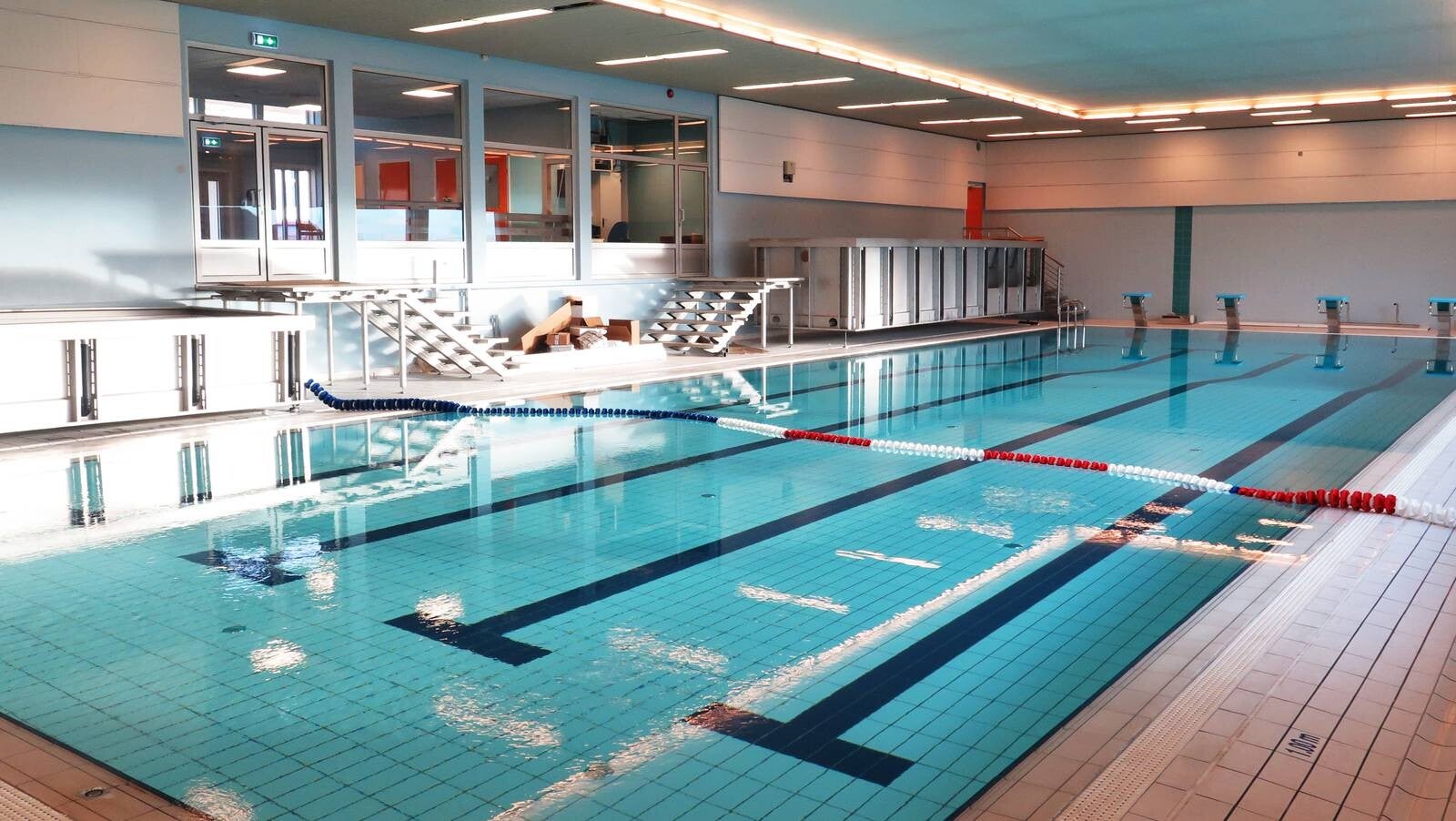
Photo: Håkon Jacobsen / NRK
Alf was among those who helped renovate the indoor swimming pool that the town now proudly enjoys. It may seem like an ordinary building, but it became meaningful because it exists through the efforts of people who were willing to give their time for others.
He also worked with volunteers to restore the music chapel along the main road through town. Every time I pass it, I am reminded that places remain beautiful because somebody chooses to care for them.
Along that same road, Bjørg and Alf helped plant trees and flowers, making the main street of Melbu brighter and more welcoming for everyone who arrives.
Their commitment extends to Melbu Hovedgård as well. Both are part of the circle of friends who support the historic manor house, helping preserve it for future generations. They have been involved in fundraising efforts and in supporting the restoration work currently underway, including the repair of its roof.
What I admire most is that none of this appears motivated by recognition. And yet recognition came.
In different years, both Bjørg and Alf were named Årets Æresborger, Citizen of the Year, during SommerMelbu. The honor feels entirely appropriate. During the brightest weeks of the northern summer, the community pauses to celebrate people whose contributions often happen quietly and without spectacle, simply because they care.
To me, that says something essential about Norway. Not the country of postcards and dramatic scenery. But the one of small towns held together by patience, generosity, and responsibility.
A nation by people who plant, repair, organize, preserve, and welcome. People whose names may never travel far beyond their own communities, yet whose absence would be felt immediately.
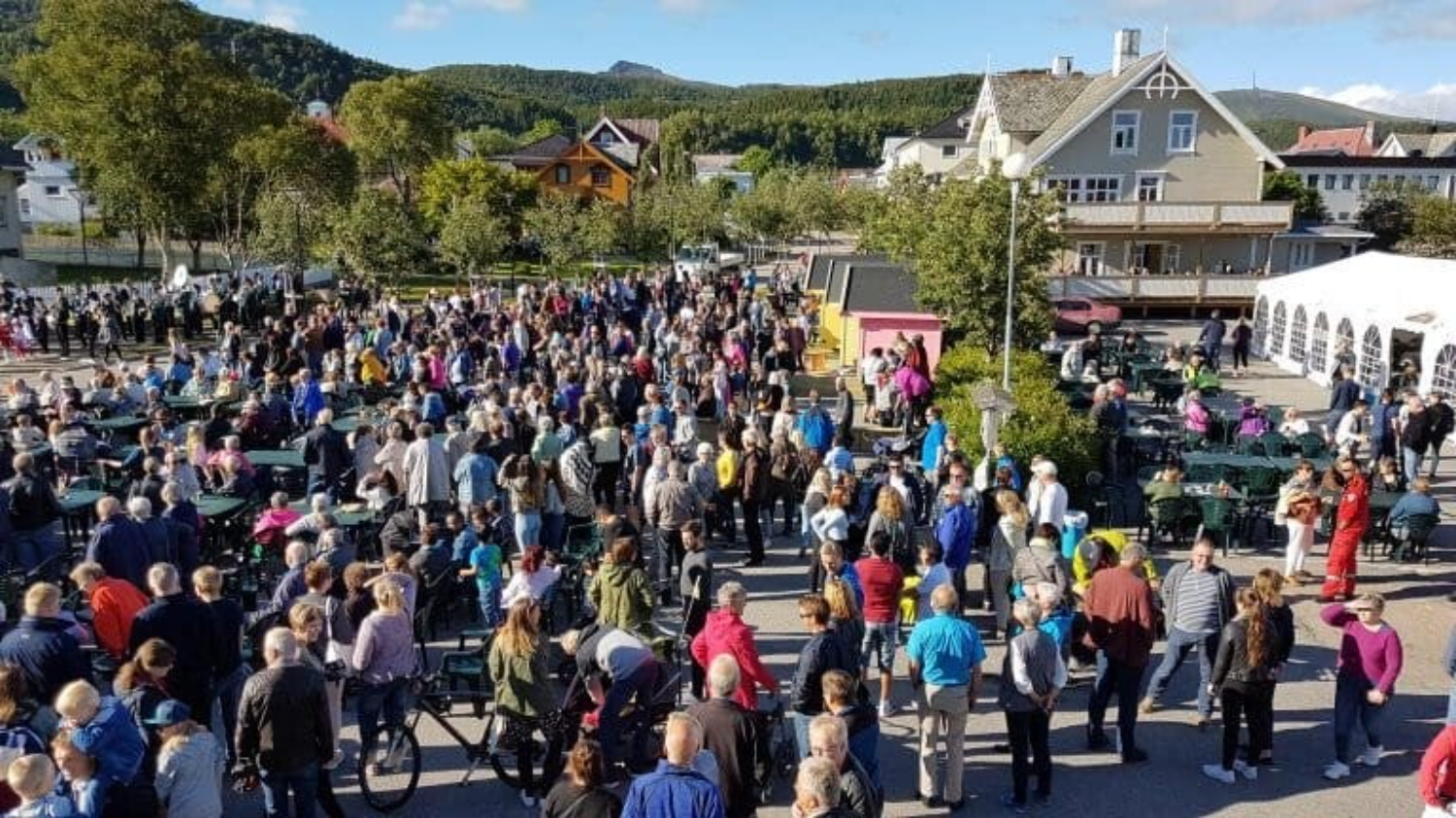
Photo: www.hadsel.kommune.no
Perhaps writing can also be a small kind of dugnad. Not in the practical sense. I do not repair buildings or plant flowers in Melbu. My contribution is different. I try to pay attention. I try to listen. I try to write with respect. My hope is to offer something back by describing Norway not as a passing visitor, but as someone genuinely trying to understand the country and the people who have welcomed him into it.
When Bjørg and Alf read those words and recognize something true in them, that bridge between worlds feels real. Because dugnad is ultimately a philosophy of relationship.
It reminds us that no one belongs entirely alone. That communities endure because they are renewed again and again through ordinary acts of care. That belonging is not an abstract idea but something practiced over time.
A flower planted. A roof repaired. A building restored. A coffee shared. A conversation in a café.
A writer trying to tell the truth about a place that welcomed him.
It reminds me that writing is never only words on a screen. It can become a conversation, a meeting, a form of recognition. It can help someone from elsewhere feel a little less distant. It can allow a place to speak through the people who love it.
Perhaps that is one of Melbu's most beautiful lessons. A community does not live only in its buildings, archives, or traditions. It lives in the people who quietly care for it. The guardians of everyday Norway, the Norway that asks for no attention, yet endures through the quiet gestures of those who care for it.